Operating a pipeline without the proper backing puts both your investment and your authorization to operate at risk. We help you protect both.
Sectors / Infrastructure /
Ducts
The transportation of natural gas, gasoline, or LP gas through pipelines involves high risks: leaks, explosions, damage to third parties, and environmental impacts.
Investment in linear infrastructure requires specialized insurance that not only covers the risks but also complies with the requirements of ASEA, SENER, and other regulatory authorities.
Main risks:
- Explosions and fires due to leaks or excessive pressure.
- Soil, air, or water contamination due to ruptures.
- Material damage to third parties caused by leaks or accidents.
- Theft or sabotage of pipelines and valves.
- Supply interruption with contractual consequences.
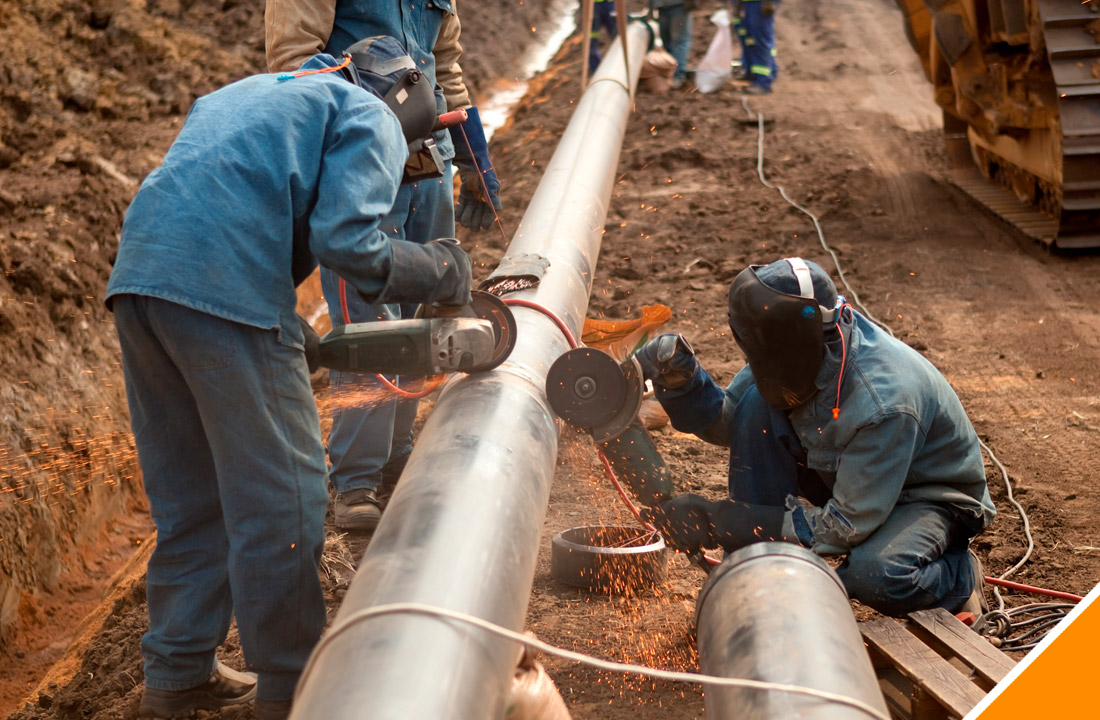
What are the main risks faced by pipeline construction and operation projects?
Pipelines are exposed to risks such as leaks, explosions, spills, third-party damage, natural phenomena, and equipment failures. These events can generate multimillion losses, sanctions, and environmental damage, which is why having specialized insurance is essential for the continuity of the project.
What insurance is essential and mandatory to protect a pipeline project?
Key coverages include General and Environmental Civil Liability, for damage to third parties and the environment; Construction or Erection All Risk Insurance, to protect the works during installation; and Property Damage Insurance, which covers the pipeline and pumping stations during operation.
Why are surety bonds necessary in pipeline contracts?
Authorities and contracting parties usually require performance, advance payment, and latent defects bonds, which ensure the proper execution of the project, the correct use of resources, and the post-construction guarantee, reducing financial and legal risks for all parties.