Listado de la etiqueta: México

México, entre los 10 países más atractivos para invertir en energías renovables

From: El Economista / León A. Martínez / 23 de octubre de 2017, 02:39

China, hasta hace unos años el paria energético del mundo por negarse a reducir su consumo de combustibles fósiles, es el país más atractivo para invertir en energías limpias. Estados Unidos pasa a la posición 3, gracias a la política energética de Donald Trump que va contra la tendencia mundial al privilegiar los combustibles fósiles.

China es el país más atractivo para la inversión en energías renovables, según consta en el estudio de EY Global “Renewable Energy Country Attractiveness Index” 2017. Hasta hace un par de años, el gigante asiático era considerado el paria del consumo energético, dando evasivas en los foros ambientalistas internacionales que buscaban comprometerlo a reducir su consumo de combustibles fósiles, teniendo en Estados Unidos a uno de sus más firmes detractores. Los roles han cambiado. La decisión de la administración de Donald Trump de impulsar a las industrias relacionadas con los combustibles fósiles —que revierte la política energética encaminada a las energías renovables del gobierno de Barack Obama—, sumado a la salida del Acuerdo de París sobre el cambio climático, desplazó a Estados Unidos a la posición tres del ranking, luego de ocupar la posición 1 en la edición pasada.

EY Global refiere que es tal la influencia de su estudio sobre energías renovables —que realiza desde el 2013—, que en el 2010 el ranking cuando China lo encabezó por vez primera, desplazó a Estados Unidos del primer lugar, movimiento que motivó al Senado estadounidense a realizar una audiencia para revisar su política energética. Este año se presume como poco probable que el aparato gubernamental federal de Estados Unidos se escandalice, aún cuando se vio rebasado también por India, debido a que el presidente Donald Trump decidió ir contra la tendencia mundial de privilegiar las energías limpias, y en cambio favorecer a la industria petrolera estadounidense.

El estudio analiza factores tales como si las políticas de los países sobre la materia son favorables, si existen incentivos fiscales, evalúa la seguridad para las inversiones, la disponibilidad de recursos naturales y la estabilidad de la macroeconomía, entre otros, para generar el ranking.

Chile encabeza a los países de América Latina en el ranking, con la posición 8 global. México le sigue en la posición 9. En el ranking del 2016, Chile ocupó la cuarta posición global. Cayó cinco lugares en este año debido, según indica el estudio, por la baja en nuevas inversiones. México apenas aumentó su inversión en energías renovables este año. La inversión del 2017 alcanzó hasta el tercer trimestre los 2,800 millones de dólares, que en el comparativo interanual supera por escaso margen a lo invertido en el 2016, según datos de Bloomberg. No obstante, el margen intertrimestral es 84% mayor este año. El anuncio en agosto pasado de la compañía española Acciona de la inversión de 600 millones de dólares en la construcción del mayor parque eólico en México impulsó la inversión del tercer trimestre del 2017. El parque será construido en Reynosa, Tamaulipas, y tendrá una capacidad de generación de 424 megawatts.

En México, la inversión extranjera directa en energías renovables la encabezan empresas españolas, seguidas de las estadounidenses y las alemanas, de acuerdo con datos de la Secretaría de Energía. Las subastas eléctricas de la CFE han incrementado la inversión y la capacidad de generación en energías limpias en el país. Hasta antes de la reforma energética, los generadores particulares de electricidad no podía vender sus excedentes. Tras las modificaciones constitucionales, se contempla el modelo de Generación Distribuida, se habilita una red de distribución en la que particulares podrán vender sus excedentes a otros particulares a precios fijados por el regulador.

Los cambios constitucionales en la materia siguen la tendencia mundial. El estudio de EY Global destaca que el sector de la generación y distribución de la energía eléctrica está experimentando un progresivo cambio de modelo a nivel global. La baja de los costos y el aumento de eficiencia en generadores de turbina, paneles solares y en baterías para el almacenamiento de energía han empujado a cambiar el paradigma de grandes empresas encargadas de la generación y distribución eléctrica por el de redes locales donde son los mismos consumidores quienes generan la energía y venden sus excedentes o los depositan en bancos de almacenamiento provistos por compañías, todo gestionado con ayuda de software y apps que analizan la data para, luego de ser analizada, eficientar la distribución energética.

Las reducciones de costos ayudará a impulsar la inversión y la penetración más rápida de las energías renovables. Las proyecciones del estudio indican que para el año 2040, las energías renovables representarán 48% de la capacidad instalada y 34% de la generación mundial de electricidad, impulsadas por la electrificación del transporte, que acelera rápidamente, y con la baja de precio de los vehículos eléctricos que pronto estará por debajo de los autos de combustión interna.

No sólo el modelo de la industria ha cambiado en los últimos años; los consumidores también han modificado sus hábitos de uso energético. El estudio de la firma de servicios profesionales cita datos de la Administración de Información Energética de Estados Unidos (EIA por sus siglas en inglés), que indican que desde el 2010 hasta el 2016 el consumo revirtió una tendencia sostenida a la alza de las dos décadas previas, presentando una disminución de 3% en la demanda por vivienda, y de 7% en la de consumo por persona. La razón ofrecida para este cambio es la digitalización del sistema eléctrico, que por medio de contadores inteligentes y redes digitales las personas cuentan con información sobre sus hábitos de consumo, así como la forma de cambiarlos para hacer un uso más racional de la energía eléctrica.

El cambio de paradigmas en la industria eléctrica también tendrá impactos negativos, concretamente en el sector laboral. El estudio de EY Global analiza y advierte sobre esta situación; refiere que la energía renovable crea más puestos de trabajo durante la fabricación y la construcción de la infraestructura necesaria, pero menos que la generación convencional durante la operación, pues la maquinaria es más eficiente y se encuentra gestionada mayormente por sistemas automatizados. No obstante, el cambio de modelo generará empleo en otras áreas, como el del almacenamiento de energía y la instalación y el mantenimiento de las nuevas microrredes de distribución de energía residencial, al tiempo que significarán nuevos ingresos fiscales para los gobiernos y abrirá oportunidades para los inversionistas.

En cuanto al giro en la política energética de Estados Unidos, el estudio es optimista en su análisis. Es poco probable que la reforma fiscal propuesta por Trump afecte significativamente las subvenciones y estímulos a la inversión de las energías renovables. Los legisladores republicanos y demócratas han mostrado su apoyo a la ley promovida por la administración Obama en la materia, reduciendo la posibilidad de la eliminación o reducción drástica en los incentivos. Por otro lado, el sector ve en los gobiernos estatales su reducto de protección en un escenario en el que Trump logre pasar sus iniciativas sin cambios a nivel federal.

China
India
Estados Unidos
Alemania
Australia
Francia
Japón
Chile
México
Reino Unido

 

From: El Economista / León A. Martínez / 23 de octubre de 2017, 02:39
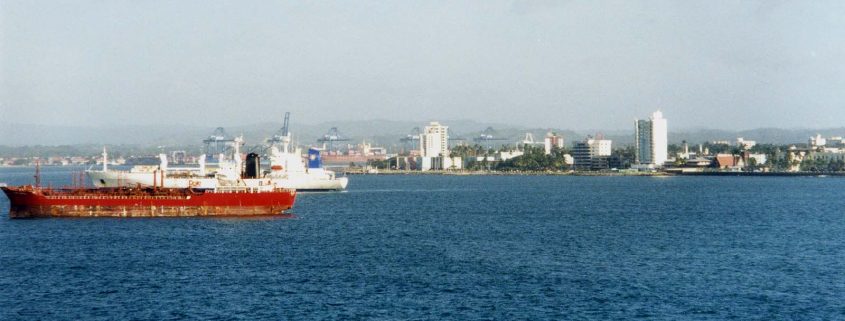
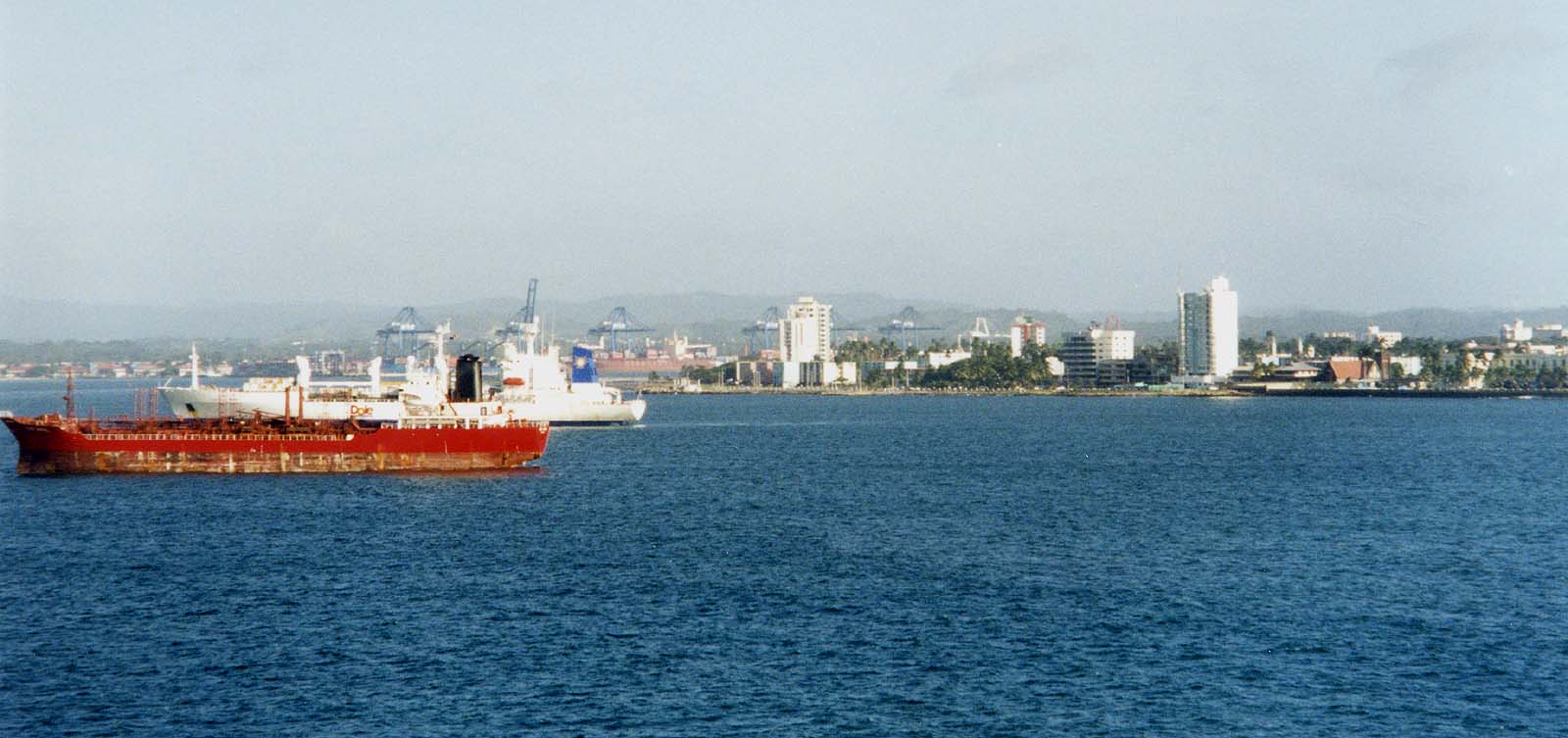
¿Podría ser México el nuevo Canal de Panamá para el gas?

From: Redacción Web Metrolibre / 24 Octubre 2017 /Tomado de Bloomberg 
Tomado de Bloomberg | Desde la apertura del primer terminal de exportación de gas shale en Luisiana en 2016, las perforadoras estadounidenses han visto al menos 75 cargamentos con su combustible navegar a través del Canal de Panamá con destino a los mercados asiáticos.

Ahora están buscando una ruta más barata y rápida. Y han acudido a México en busca de ayuda. Aldo Flores, subsecretario de Hidrocarburos de México, dijo que el Gobierno estaba en conversaciones con los perforadores de shale en el oeste de Texas sobre un posible gasoducto que enviaría el gas directamente a la costa oeste de México, donde luego podría licuarse y enviarse al extranjero.

Un gasoducto de este tipo podría eliminar la necesidad de que los petroleros naveguen por el Canal de Panamá y darían a Estados Unidos otro punto de salida para la abundancia de gas que el presidente Donald Trump ha prometido vertir en el mundo.

Al menos un posible exportador de gas de Estados Unidos, Sempra LNG & Midstream, ha expresado ya su inquietud sobre las demoras en el canal que podrían costar miles de dólares diarios a los operadores de gas. Si bien México todavía no tiene un plan concreto, “hay mucho interés”, dijo Flores a los medios en Houston.


From: Redacción Web Metrolibre / 24 Octubre 2017 /Tomado de Bloomberg 

Trade turnover between Russia and Mexico grows by more than 40%

From: TASS / MEXICO CITY, October 23

Trade between Russia and Mexico demonstrates a positive trend in 2017, Russian Export Center CEO Petr Fradkov said on Monday at the opening of a business mission in Mexico City.

«In 7 months of 2017, the trade turnover between our countries has grown quite actively,» said Fradkov, adding that the growth surpassed 40%. He noted that out of $1.5 bln of trade turnover for this period, almost $1 bln accounts for non-resource exports.

This includes exports of machinery, food products and other non-oil and gas materials,» Fradkov added.

The Russian delegation includes Minister of Industry and Trade Denis Manturov, President of United Aircraft Corporation (UAC) Yuri Slyusar, and representatives of a number of companies from various industries.


From: TASS / MEXICO CITY, October 23

Antonio Meade: México tiene un plan alterno por si acaba el TLCAN

De Megalopolis.mx / 2017-10-17 – 08:22:44

«“Nuestro mejor plan B es hacer bien nuestra tarea, en materia de finanzas públicas y ahora hacer bien nuestra tarea en términos de darle a la economía las mejores instituciones y los mejores elementos de flexibilidad y fortaleza”, así lo aseguró el secretario de Hacienda, José Antonio Meade en su participación en el Foro Impulsando a México, organizado por el Grupo Financiero Interacciones y El Financiero Bloomberg.»
«El secretario de Hacienda acepto que existe incertidumbre por las renegociaciones ya que terminarán por impactar en el tipo de cambio, pero destacó que si México sólo fuera una plataforma de exportación , el ruido del tratado sería mayor.»

«“Hoy en México se habla de exportaciones, pero se habla de energía, se habla de exportaciones, pero también de telecomunicaciones, se habla de exportaciones, pero se habla de mercado interno. No se entiende el México de hoy sin la reforma energética, al amparo de la cual tenemos comprometidos más de 80 mil millones de dólares de inversión para la siguiente década y esperamos 20 mil más antes que termine la administración”, señaló.»

«Reconoció que más de la mitad de las importaciones no provienen de Estados Unidos, aunque las exportaciones sí están concentradas.»


De Megalopolis.mx / 2017-10-17 – 08:22:44

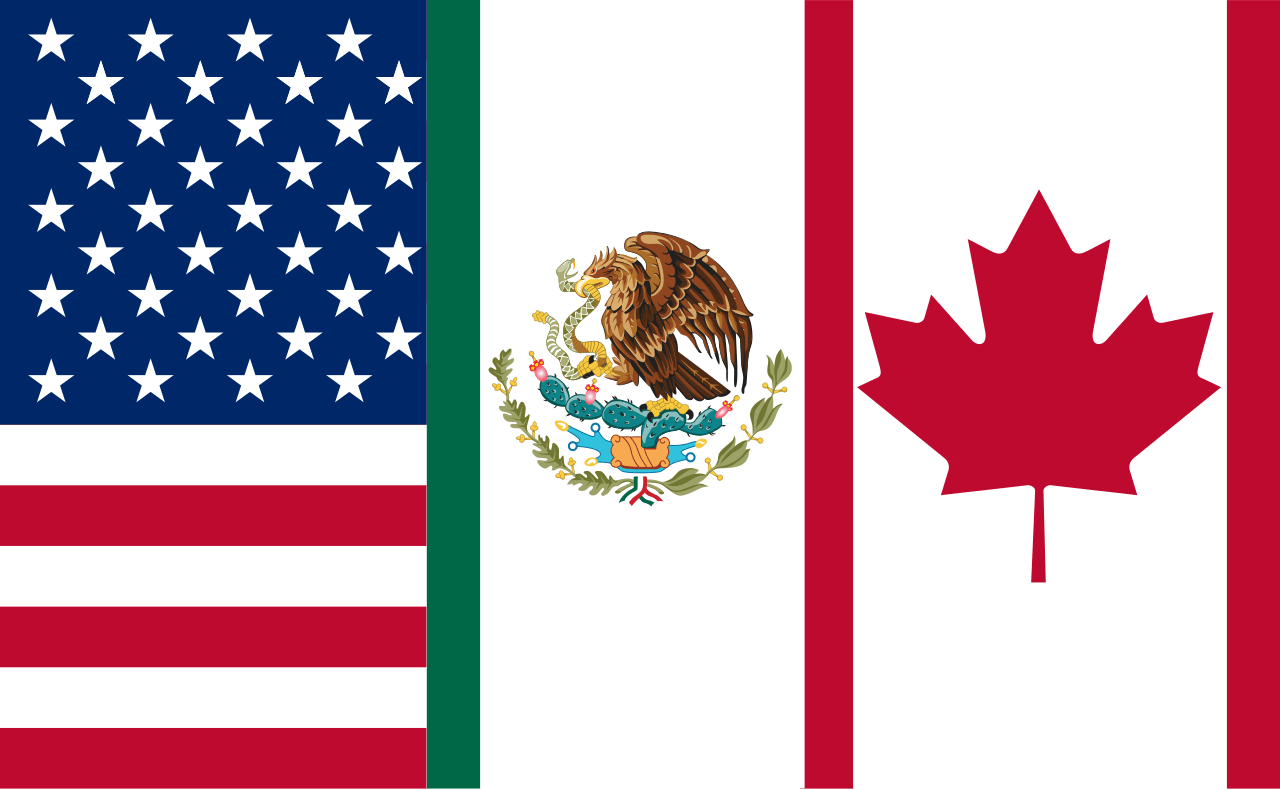
LA CUARTA RONDA DEL TLCAN 2.0 SE EXTENDERÁ DOS DÍAS

FROM: Expansión / Martes, 10 de octubre de 2017 a las 3:03 PM


CIUDAD DE MÉXICO (Reuters) – La cuarta ronda de modernización del Tratado de Libre Comercio de América del Norte (TLCAN) fue extendida por dos días, hasta el 17 de octubre, cuando se llevará a cabo una reunión de ministros, dijeron el martes dos fuentes mexicanas.

Representantes de Canadá, Estados Unidos y México se reunirán en Washington desde el 11 de octubre para tratar de avanzar en varios temas del tratado, que el presidente estadounidense, Donald Trump, ha amenazado con abandonar argumentando que ha sido dañino para su país.

“Pienso que el TLCAN tiene que ser cancelado si queremos hacerlo bueno para nosotros. De otra forma no creo que podamos negociar un buen acuerdo”, dijo Trump en una entrevista publicada este martes por la revista estadounidense Forbes.

Después de estas declaraciones, el canciller mexicano, Luis Videgaray aseguró que México solo seguirá con las negociaciones si el TLCAN es del interés nacional.


FROM: Expansión / Martes, 10 de octubre de 2017 a las 3:03 PM

Mexico Seeks New Home for Its Oil as Gulf Coast Turns to Canada

by Sheela Tobben and Amy Stillman

«Shipments of crude to the U.S. from Mexico fell to a new low last week, extending a trend that go back to when the Energy Information Administration began compiling preliminary weekly import data in June 2010.

Imports totaled 290,000 barrels a day in the week ended April 14, a 43 percent weekly drop that may have been triggered by weather-related closings at Mexico’s key export ports this month. But the shipments have been sinking for years. The 52-week average through April 14 was 561,000 barrels a day, down from about 630,000 a year earlier.

“The latest import levels are continuing a long trend,” Court Smith, director of research with shipbrokers MJLF & Associates, said by instant message from Stamford, Connecticut. “This is because of a combination of recent rise in refinery rates and historically declining production in Mexico.”

Production in Mexico has declined for 12 years in a row and this year will be less than 2 million barrels a day, the lowest level since 1980, according to Petroleos Mexicanos, the state producer, hurting sales of the benchmark Maya heavy crude.

«Pemex’s six refineries are also using more of the crude, lessening the need for exports. They processed 930,400 barrels a day in February, the most since June of last year, according to Mexico’s Energy Information Agency. The company expects to raise rates further to boost gasoline supply in the near term.

Refiners on the U.S. Gulf Coast, which are the primary users of Mexican crude, have been turning north for supplies, said Andy Lipow, president of Lipow Oil Associates, a Houston-based consulting company. Canadian imports averaged 3.16 million barrels a day over the 52 weeks through April 14, up from about 3.02 million a year earlier.

“Canadian crudes are making more headway into the U.S judging from the full pipes coming down from Canada,” Lipow said by phone Friday. “We do expect to see more heavy crude from Canada when projects like Suncor Energy Inc.’s Fort Hills mine come online toward end of the year.”

Mexico has increasingly turned to Europe and Asia to make up for the U.S. demand shortfall. While overall Mexican crude exports fell in the first half of April, sales to Spain have increased since February, according to estimates from vessel-tracking and U.S. bills of lading data compiled by Bloomberg oil-market specialist Bert Gilbert. Exports to India, South Korea, Japan and China also grew in February, Mexico customs data compiled by Bloomberg show.

“While U.S. Gulf refineries were in maintenance, heavy crude oil producers have had to send their shipments to other regions, such as Asia, where heavy crude has recently strengthened thanks to the OPEC cut,” said Ixchel Castro, an analyst at Wood Mackenzie in Mexico City. “Greater shipments of Maya to Asia allows Pemex to achieve better margins for its exports.”

Mexico crude imports may pick up as gasoline demand rises for summer and refinery maintenance ends, Castro said in an emailed response to questions.

“This is the season where we would normally expect more heavy crude imports for U.S. Gulf Coast coking plants,” she said.

Pemex didn’t respond to requests for comment.»

21 de abril de 2017 16:05 GMT-5 updated  22 de abril de 2017 6:00 GMT-5

Bloomberg


Exclusive: Mexico plans second deepwater oil tie-up in Maximino, Nobilis areas – sources

Reporting by Adriana Barrera, Additional reporting by Alexandra Editing by Dave Graham and and Peter Cooney

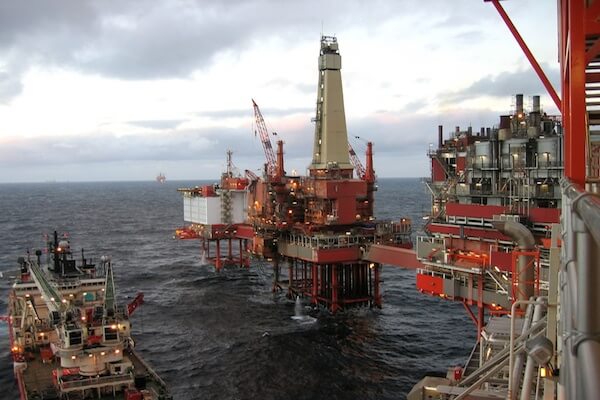
«Mexican state-run oil company Pemex plans a second deepwater «farm-out» joint venture in the Maximino and Nobilis areas in the Gulf of Mexico where super light crude has been found near the U.S. border, two people familiar with the matter said.

Speaking this week, the people said Pemex [PEMX.UL] would likely seek approval in June from the National Hydrocarbons Commission, or CNH, the industry regulator, to launch a tender for partners with the aim of announcing a winner in December.

«Maximino-Nobilis may be assigned in December and we hope the CNH will announce it in June,» said one of the sources. The people spoke on condition of anonymity because the plans are not yet public.

A Pemex spokesman said the firm was looking for a partner to develop Maximino and Nobilis, and that the proposal would be submitted for approval by the board in the next few days. The CNH would then need to decide on the time frame, he added.

The farm-outs are a central pillar of the government’s efforts to lure investment to Mexico since Congress opened up the country’s long-closed oil and gas industry to private investment in a legislative drive between 2013 and 2014.

Under the farm-outs, Pemex cannot choose which company would help it develop each project. The ultimate decision lies with the CNH following a round of competitive bids.

The process allows Pemex to share the risks and rewards of expensive deepwater oil development projects.

Australian mining and energy company BHP Billiton (BHP.AX) in December won the right to partner with Pemex in the first deepwater farm-out for the Trion light oil field, less than 50 miles (80 km) from the U.S.-Mexico maritime border.

A separate, shallow water farm-out auction for the Ayin-Batsil field is due to take place in October.

Pemex has sunk two wells in Maximino at a depth of 3,000 meters (9,840 feet), discovering super light crude.

In September 2016, Pemex said it had found super light crude in its Nobilis-1 well, also at some 3,000 meters.

Both areas lie in the Perdido fold belt, like Trion.»

Thu Apr 20, 2017 | 6:57pm EDT

REUTERS

shutterstock_19805074


Mexican Peso’s Top Analyst Says Worst Is Over Even If Nafta Dies

«Mexico’s peso won’t return to the record lows it reached this year even if the U.S. makes good on threats to undo the trade agreement that transformed Latin America’s second-largest economy into an export powerhouse, according to the currency’s top forecaster.

The selloff that sent the peso plunging to 22 per dollar in the days before Donald Trump’s inauguration was overdone despite the threat to Nafta, said Scott Petruska, a foreign-exchange adviser for Silicon Valley Bank who was the most accurate analyst in the first quarter according to Bloomberg rankings. He correctly predicted that the currency would recover from the rout to become one of the best performers in the world this year.

«The Trump administration seems to have Mexico in its cross hairs which makes everybody very nervous, whether it’s negotiating Nafta or slapping some sort of tariff or border tax on imports from Mexico,» Petruska, who was also the top forecaster for Canada’s dollar, said from Boston. «But we can appreciate that Mr. Trump’s bark is often times worse than his bite.”

The peso plunged 15 percent from Trump’s surprise election win to when he took office as investors speculated he would damp foreign investment and suppress exports to the U.S., the destination for 75 percent of the goods Mexico sends abroad. It erased some of those losses in the first quarter as the central bank raised interest rates and U.S. officials indicated they probably wouldn’t seek to scrap Nafta entirely. Mexico central bank Governor Agustin Carstens said Wednesday that the peso — at about 18.8 per dollar — is still undervalued.

Petruska sees the peso weakening to 20 per dollar by September as traders overreact to whatever trade negotiations get underway, but says it will quickly recover to trade at 19 by the end of the year. The currency will gain to 18.3 per dollar by the end of 2018, he said.

With a benchmark lending rate of 6.5 percent, Mexico offers a higher return on local bonds than peers such as India, Peru and Chile. Volatility in the peso, meanwhile, has plummeted in the last few months and «speculators will feel comfortable going into the carry trade,» Petruska said.»

by Isabella Cota / Bloomberg

6 de abril de 2017 4:00 GMT-5


17 Octubre_Oil Speculators


Down 10%, Mexico Oil Reserves Gone in 9 Years without New Finds

«Mexico’s existing oil reserves are dwindling so fast the country could go dry within nine years without new discoveries.

That’s the message from the National Hydrocarbons Commission, which said Friday that the reserves fell 10.6 percent to 9.16 billion barrels in 2016, from 10.24 billion barrels a year earlier. Once the world’s third largest crude producer, Mexico’s proven reserves have declined 34 percent since 2013.

The decline in proven reserves is driven by record-low drilling activity the last three years, according to CNH Commissioner Hector Acosta. State-owned producer Petroleos Mexicanos drilled 21 wells last year, a record low, after averaging 31 per year since 2010.

«If there isn’t drilling, it is going to be difficult to incorporate new finds,» Acosta said. «The production figures and indicators that we are observing, tell us that there are flaws in the drilling activities being carried out by Pemex.»

The diminished production comes from a combination of reduced investment and the continued maturation of fields, said Cesar Alejandro Mar, Adjunct Director of Reserves. He set 8.9 years as a time frame for the reserves to run out if no new exploration occurs.

Pemex, meanwhile, said in an e-mailed statement that it added 684 million barrels of probable crude to the reserves last year, and “will continue working to increase reserves and restitution rates to higher levels.»

Monopoly End

Mexico ended Pemex’s production monopoly in 2013 to let private operators develop oil in the country for the first time since the 1930s. Production is set to fall below 2 million daily barrels this year, the lowest levels since 1980, Pemex has said. Overall, crude production has declined every year since 2004.

Given increased crude development activity anticipated in the deep waters of the Gulf of Mexico by private producers, the country’s production is forecast to climb to 3.4 million barrels a day by 2040, according to a report by the International Energy Agency.

Italian producer Eni SpA, which won rights to develop a Gulf of Mexico field in 2015, recorded the country’s offshore find by a foreign company in more than seven decades on March 23.

“Mexico isn’t the only country that has seen its reserves diminished during a difficult time for the industry worldwide,” said Juan Carlos Zepeda, a CNH Commissioner, when the numbers were released. “International oil companies are just now starting to return to an improved investment rhythm.»

by Adam Williams /  Bloomberg

31 de marzo de 2017


Mexico ETF Begins to Rebound Follow Trump Punishment

After being punished last year on speculation that now President Donald Trump could win the 2016 presidential election, the iShares MSCI Mexico Capped ETF (NYSEArca: EWW) is rebounding in earnest this year.

EWW, the largest Mexico ETF trading in the U.S., is higher by more than 9% year-to-date and has surged almost 7% over the past month.

With the peso also sliding in the wake of Trump’s win, the Mexico’s central bank could move forward with more rate hikes to stem the currency’s slide.

Although Mexico’s central bank said the first rate hike earlier this year was not the start of a new tightening cycle, the central bank surprised global investors last month when it boosted borrowing costs by 50 basis points to 4.75%, which is good for the country’s highest interest rate since 2009.

However, some investors believe Mexican stocks still offer value, particularly for investors willing to be patient with EWW.

“The central bank will hold its first $1 billion auction of non-deliverable forward contracts on Monday, offering a way for businesses with expenses in dollars but revenue in local currency to hedge against further declines in the peso. Fitch Ratings has said companies including America Movil SAB and TV Azteca SAB are among the most vulnerable to a weaker peso as their overseas debt gets more expensive in local-currency terms,” reports Isabella Cota for Bloomberg.

Investors who believe the Mexican peso may continue to depreciate but anticipate the markets will improve can look to currency-hedged ETF strategies to diminish the currency risks. For instance, the Deutsche X-trackers MSCI Mexico Hedged Equity Fund (NYSEArca: DBMX) and the recently launched iShares Currency Hedged MSCI Mexico (NYSEArca: HEWW) provide exposure to the Mexico’s market without the added currency risk of a depreciating peso currency.

The peso is an important part of the Mexico investment thesis because exports account for over a third of GDP in Latin America’s second-largest economy. So are oil prices because Mexico is one of the largest non-OPEC producers in Latin America.

The peso is “trading near the average price of the past 200 days — a technical indicator that, when breached, may indicate more gains. Trading volume is lower than average ahead of the auction, according to traders,” reports Bloomberg.


11 Octubre_shutterstock_377851117

Tom Lydon / ETF TRENDS

March 6, 2017 at 10:29 am