Listado de la etiqueta: brent

Petróleo en EU alcanza los 47 dólares, su nivel más alto en 20 días

Los futuros del petróleo repuntaron a su nivel más alto desde principios de septiembre, tras publicarse que los países de la OPEP llegaron a un acuerdo para limitar la producción, sumado a la caída semanal en los inventarios de crudo en Estados Unidos.

El crudo estadounidense WTI para entrega en noviembre, se disparó 5.33 por ciento y cerró en 47.05 dólares el barril, su nivel más alto desde el pasado 8 de septiembre.

El Intercontinental Petroleum Exchange (ICE), el crudo Brent para entrega en diciembre cerró en 48.69 dólares, un 5.92 por ciento más que al término de la sesión anterior de 45.97 dólares.

Los países de la OPEP acordaron en Argelia congelar la producción para reducirla a 32.5 millones de barriles diarios a lo largo de 2017.

El acuerdo fue adoptado este miércoles en una reunión informal de la Organización de Países Exportadores de Petróleo y deberá ser refrendado en Viena, en un encuentro formal de la organización el próximo 30 de noviembre.

Antes del anuncio procedente de Argel, los operadores del Nymex también celebraron el informe del Departamento de Energía, que reveló que las reservas de crudo en Estados Unidos cayeron la semana pasada en 1.9 millones de barriles hasta 502.7 millones.
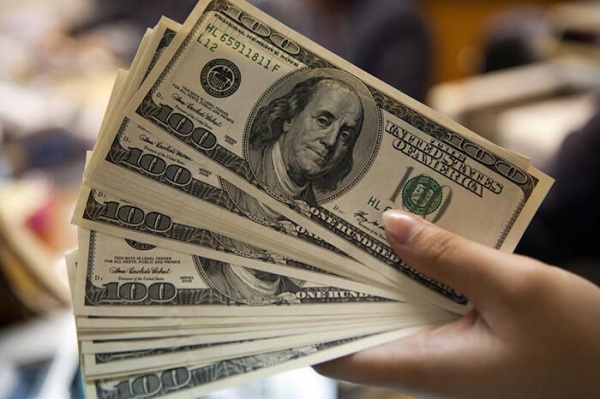
dolars

Fuente: El Financiero

Producción de OPEP con récord en septiembre

La producción de la OPEP alcanzó probablemente su nivel más alto en la historia reciente en septiembre, indicó un sondeo de Reuters el viernes, ya que Irak elevó sus exportaciones en el norte y Libia reabrió algunas de sus principales terminales.

El alza se produjo pese al descenso del bombeo del mayor productor mundial, Arabia Saudita, y el acuerdo alcanzado esta semana por la Organización de Países Exportadores de Petróleo en Argelia para limitar el suministro y apoyar los precios, su primera decisión de este tipo desde el 2008.

El suministro de la OPEP subió en 70,000 barriles por día (bpd), hasta 33.60 millones de bpd en septiembre desde una cifra revisada de 33.53 millones de bpd en agosto, según el sondeo, basado en datos de envíos e información de fuentes del sector.

El incremento del bombeo podría unirse al escepticismo sobre la capacidad de la OPEP para fijar su nuevo objetivo de producción de entre 32.50 millones y 33 millones de bpd, tarea que los ministros aplazaron hasta la reunión del grupo en noviembre.

El crudo se había encaminado a 50 dólares por barril el jueves, pero cotizaba cerca de 49 dólares el viernes.

El alza en septiembre fue liderada por Irak y Libia. La firma petrolera estatal iraquí Somo y la región semiautónoma del Kurdistán comenzaron a exportar de nuevo crudo de forma conjunta desde los campos de Kirkuk.

Esto elevó el suministro de Irak hasta 4.43 millones de bpd en septiembre, según el sondeo.

En Libia, la Corporación Nacional del Petróleo abrió tres puertos anteriormente bloqueados, permitiendo que su subsidiaria Agoco —que opera sobre todo en el este— subiera su producción.

El bombeo en Arabia Saudita bajó levemente desde el máximo alcanzado en el verano, indicaron fuentes, mientras que el bombeo en Irán —que registra el crecimiento más rápido de la producción en el seno de la OPEP— se mantuvo estable este mes, en niveles cercanos a los previos a las sanciones occidentales por su programa nuclear.

Petróleo avanza por segundo día gracias a la OPEP

Los precios del petróleo cerraron con desempeño dispar el viernes, pero registraron su segundo avance mensual consecutivo gracias al plan de recortes de la producción acordado por la OPEP, aunque el escepticismo sobre su cumplimiento creció tras datos que sugirieron otra marca récord de bombeo.

La mezcla mexicana de exportación avanzó 2.23% en el mes; el crudo Brent subió 4% en septiembre, mientras que el referencial estadounidense WTI ganó 8%, ayudados por el anuncio del miércoles por parte de la OPEP de que retirará del mercado 700,000 barriles diarios. Analistas estiman que el exceso global de suministro de crudo está en el rango de 1-1.5 millones de barriles por día (bpd).

En su cotización diaria, el crudo mexicano avanzó 0.35%, a 39.83 dólares barril; en la semana ganó 5.09 por ciento. El Brent para entrega en noviembre bajó 18 centavos, o 0.4%, a 49.06 dólares por barril, y cerró tanto la semana como el mes con un avance de alrededor de 4 por ciento. En el trimestre finalizado el viernes cayó casi 1 por ciento. El WTI cerró con una subida de 41 centavos, o cerca de 1%, a 48.24 dólares por barril. En la semana y el mes subió alrededor de 8%, y en el trimestre terminó estable.

La OPEP acordó reducir su producción a 32.5-33 millones de bpd, desde alrededor de 33.5 millones de bpd, cálculo de bombeo en agosto. Los detalles, incluidas las cuotas para cada miembro y la fecha de entrada en vigor, se cerrarán en la próxima reunión del grupo, que se celebrará en noviembre.

3 Octubre_shutterstock_316027709

Fuente: El Financiero

Los productores de petróleo retrasan su cita del 27 de septiembre: la reunión de la OPEP será el 28

La esperada reunión de la Organización de Países Productores de Petróleo (OPEP) se retrasa un día: el encuentro de los líderes del crudo será el 28 de septiembre y no el 27, como estaba previsto.

En este escenario, los precios del petróleo han iniciado la semana con subidas. El barril de West Texas y el de Brent cotizan por encima de los 44 y de los 46 dólares, respectivamente, después de que la semana pasada acumulasen un descenso cercano al 6%. 

Parte de las alzas de la jornada está apoyada en las declaraciones del presidente de Venezuela, Nicolás Maduro, asegurando que la OPEP y sus rivales están «cerca» de alcanzar un acuerdo para estabilizar la producción de crudo.

En particular, Maduro afirmó que los países de la OPEP y los que no forman parte del cártel estarían «bastante cerca» de alcanzar un acuerdo para estabilizar el mercado durante este mes de septiembre.

Por su parte, el presidente iraní, Hasán Rouhaní, señaló que Teherán apoyará cualquier movimiento para equilibrar el mercado y elevar los precios, según recoge Shana, la agencia de noticias del Ministerio de Petróleo del país persa.

Fuente: El Economista

Oil Bears Dominate Market as Doubt Grows Over Output Limits

The longer OPEC and other producers talk about a ceiling on crude output, the more doubts grow in the market.  

Money managers increased wagers on falling prices by the most in three months as a meeting between Russia and Saudi Arabia ended without specific measures to support prices. Producers have pledged to discuss action in Algiers later this month.

“The more they talk, the less people listen,” said Michael D. Cohen, an analyst at Barclays Plc in New York. “If you look at the actual statements from the Saudis, there’s not a lot of enthusiasm. They’re saying that either they don’t believe a substantial intervention is needed right now or that if other producers want a freeze, they’ll go along.”

Saudi Arabia’s Energy Minister Khalid Al-Falih said on Sept. 5 that he’s optimistic producers will agree to cooperate in Algiers. He spoke after meeting with his Russian counterpart, Alexander Novak, at the G-20 summit in China. Novak said that a freeze in production by OPEC and Russia would be the most effective way of stabilizing the market.

The International Energy Forum, including 73 countries that account for about 90 percent of the global supply and demand for oil and natural gas, will meet in the Algerian capital Sept. 26-28. The Organization of Petroleum Exporting Countries will hold informal talks on the sidelines of the gathering.

Parsing Words

“Everyone is sifting for clues on whether OPEC will reach an agreement to limit production or leave it uncapped with the potential for higher output,” said Tim Evans, an energy analyst at Citi Futures Perspective in New York. “At this point we’re waiting for the outcome of the talks. A lot of people are standing to the side while others are building positions with a specific view in mind.”

A freeze deal between OPEC members and other producers was proposed in February. A meeting in April ended with no accord because Iran refused to join, while Saudi Arabia insisted that its rival take part. Iran has said it’s too soon to cap output as it’s still restoring production curbed by sanctions.

Speculators bolstered their short position in West Texas Intermediate crude by 34,954 futures and options during the week ended Sept. 6, according to the Commodity Futures Trading Commission. Bets on rising prices declined.

Prices Drop

WTI futures dropped 3.3 percent to $44.83 a barrel in the report week and prices lost 1.6 percent to $45.15 at 9:18 a.m. New York time.

Futures surged Sept. 8 after the Energy Information Administration reported U.S. crude inventories fell 14.5 million barrels in the week ended Sept. 2, the biggest drop since January 1999. Prices retreated the next day as speculation grew the supply drop was a one-off caused by a tropical storm that disrupted imports and offshore production.

Money managers’ short position in WTI climbed to 130,274 futures and options. Longs fell 1.9 percent. The resulting net-long position dropped 19 percent. Net-long positions in Brent crude decreased by 37,226 contracts, according to ICE Futures Europe.

In other markets, net-bullish bets on gasoline declined 32 percent to 11,148 contracts. Gasoline futures dropped 9.1 percent in the report week. Net-long wagers on U.S. ultra low sulfur diesel tumbled 56 percent to 9,840 contracts. Futures declined 4.3 percent. 

Gambling Momentum

“There’s a lot of gambling taking place,” said Stephen Schork, president of the Schork Group Inc., a consulting company in Villanova, Pennsylvania. “A lot of money managers are betting that a bottom has been put in but I’m skeptical.” 

U.S. crude stockpiles remain at their highest seasonal level in more than 20 years. Refineries plan maintenance programs for September and October when fuel demand is lower. Over the past five years, refiners’ thirst for oil has dropped an average of 1.2 million barrels a day from July to October.

“The market will probably yo-yo in a range through the maintenance season but there’s downside risk,” Schork said. “If demand isn’t a strong as hoped and crude inventories rise, the market could take another leg lower.”

shutterstock_352973621

Copyright: Bloomberg

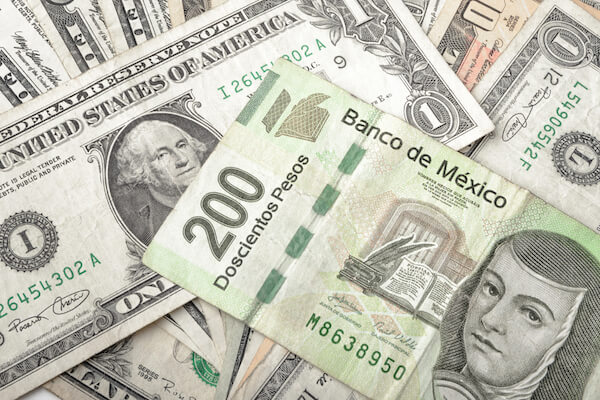
Peso ‘rebota’ siguiendo al petróleo por arriba de 50 dólares

La moneda mexicana se aleja de un mínimo de 15 semanas apoyada por un mejor entorno internacional y a la espera de una importante presentación de la presidenta de la Fed, Janet Yellen.

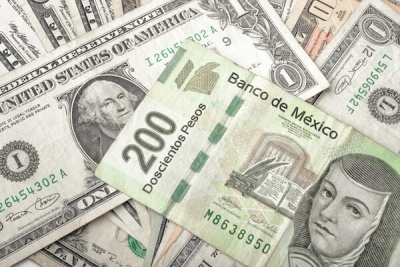
Este lunes el dólar spot se intercambia en 18.58 unidades, lo cual representa para el peso un modesto avance de 0.04 por ciento, con base en información de Bloomberg.

En ventanilla bancaria, el billete verde se vende en 18.85 pesos, por debajo de los 18.90 del pasado viernes, reportado por Banamex.

La moneda mexicana se perfila para hilar su segunda jornada en terreno positivo, situación que contribuye a alejarla de un mínimo de quince semanas.

La mayor demanda del peso mexicano se ve impulsada por la recuperación de los precios del petróleo y a la espera de una presentación de la presidenta de la Reserva Federal de Estados Unidos, Janet Yellen.

El crudo tipo West Texas Intermediate sube 2.22 por ciento a 49.70 dólares por barril, mientras que el Brent aumenta 1.99 a 50.63 dólares.

Precios del petróleo más altos implica una mayor generación de divisas para naciones productoras como México.

La fortaleza de la moneda mexicana, observada al inicio de la semana, también se ve apoyada por un retroceso del dólar en el mercado internacional.

El billete verde pierde 0.05 por ciento con respecto a una canasta de seis divisas.

Los participantes del mercado esperan el discurso de la presidenta de la Fed, Janet Yellen, la última presentación programada para un funcionario del instituto central antes de la reunión de política monetaria programada para el próximo 14 y 15 de junio.

De acuerdo al mercado de futuros, se le da una probabilidad de un 4.0 por ciento a que la Fed aumente su tasa de referencia en su reunión de junio, en tanto que para julio sube a solamente 30.9 por ciento.

Desde el punto de vista del análisis técnico, es importante que el tipo de cambio cierre por debajo de la barrera ubicada en 18.60 unidades, para poder enviar una mejor señal en torno al comportamiento de la moneda mexicana.

Fuente: El Financiero

Brent oil rises to 2016 high; U.S. stocks gain

Brent oil prices hit a high for the year above $40 a barrel on Monday after data showed a smaller-than-expected build in U.S. crude stockpiles, helping U.S. stocks extend recent gains.

Brent was last up $1.87 at $40.59, while U.S. crude rose $1.58 to $37.50.

That lifted shares of energy stocks, which led gains in the S&P 500. The energy index climbed 1.5 percent. Biotechs also rallied, helping to support the broader market.

The Dow Jones industrial average was up 65.23 points, or 0.38 percent, to 17,072, the S&P 500 had gained 3.86 points, or 0.19 percent, to 2,003.85 and the Nasdaq Composite had added 9.78 points, or 0.21 percent, to 4,726.80.

MSCI’s all-country world stock index edged up 0.2 percent. In Europe, the pan-regionalFTSEurofirst 300 index provisionally closed down 0.3 percent.

The euro tumbled against the dollar before Thursday’s ECB meeting at which policymakers are expected to cut interest rates further into negative territory.

The euro was 0.5 percent lower at $1.0950 and down 0.7 percent at 124.34 yen. The U.S. dollar index was down 0.2 percent.

«The U.S. economy is doing relatively well. The dollar will likely hang on to its gains right now,» said Sireen Harajli, currency strategist at Mizuho Corporate Bank in New York.

In the U.S. bond market, U.S. Treasury yields rose in volatile trading as traders increased bets the Federal Reserve will raise interest rates this year in the wake of a strong February jobs report and ahead of a ECB meeting.

Friday’s payrolls data showed 242,000 jobs were created last month and assuaged fears the U.S. economy could be headed into recession. It also revived prospects of further Federal Reserve interest rate hikes this year, something markets had priced out.

The benchmark 10-year note’s yield rose to 1.918 percent, its highest in just over a month. It was last down 9/32 in price to yield 1.9127 percent, up from 1.883 percent late on Friday.

shutterstock_31363285


 Copyrigth: Reuters

Global shares climb as firmer Chinese yuan eases deflation fears

World stocks rose sharply on Monday as China’s central bank fixed the yuan at a much stronger rate and oil cemented recent gains, easing fears of global deflation. 

The rally belied a string of poor economic data from Beijing and Tokyo as demand for safe-haven assets waned, yet investors remained on edge due to lingering concerns about growth and the health of the financial sector. 

European stocks rose 3 percent .FTEU3, having shed nearly 10 percent over the last fortnight, mirroring a bounce in Asia. Futures pointed to notional gains of 1.6 percent on Wall Street ESc1 but U.S. markets will be closed for a holiday.

 Meanwhile, assets that tend to perform well in times of stress lagged. The Japanese yen lost ground against the U.S. dollar, top-rated German bond yields edged away from nine-month lows and gold slipped 2 percent after its strongest week in four years.

«We had a very strong statement from the Chinese authorities signaling they are committed to a stable currency and that’s helped sentiment … safe-haven flows have unwound somewhat,» said RIA Capital Markets strategist Nick Stamenkovic.

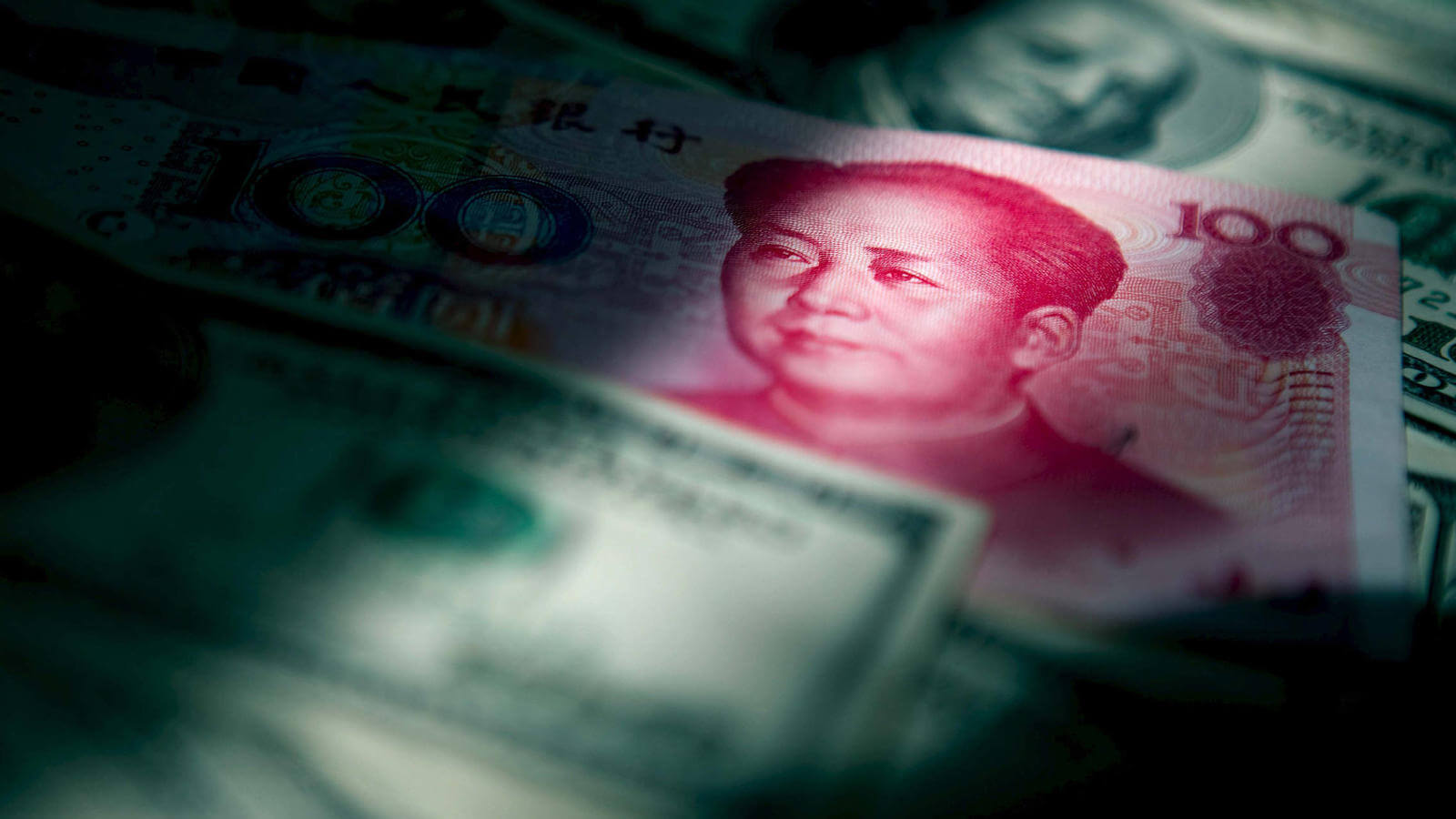
In China, spot yuan jumped more than 1 percent to 6.4934 per dollar – its firmest this year – after the People’s Bank of China set its daily midpoint 0.3 percent stronger and the head of the bank was quoted as saying speculators should not be allowed to dominate market sentiment. [CNY/] A stronger yuan reduces the risk that China will export deflation to the world, while worries about consumer price growth have also been helped by bounce back in the oil price.

Brent LCOc1 and U.S. crude futures CLc1 edged up on Monday adding to Friday’s 10 percent surge on speculation that the Organization of the Petroleum Exporting Countries (OPEC) might finally agree to cut output to reduce a world glut.

Euro zone long-term inflation expectations also rebounded from record lows on Monday even as Germany’s Bundesbank cut its forecast for consumer price growth in the bloc’s biggest economy.

Yuan gloabl economy

DISCONNECT

China’s weak exports and imports in January, down 11.2 percent and 18.8 percent year-on-year respectively, seemed not to disturb markets. The resulting jump in the country’s trade surplus to $63 billion for the month might have helped, as that may offer support to the yuan.

The disconnect between markets and economics was perhaps starkest in Japan, where the Nikkei .N225 jumped more than 7 percent, putting its worst week since the depths of the global financial crisis in 2008 quickly behind it.

This came despite data showing the economy contracted by an annualized 1.4 percent in the last three months of 2015, more than expected.

MSCI’s broadest index of Asia-Pacific shares outside Japan rose 2.3 percent .MIAPJ0000PUS, after losing 10 percent of its value so far this year.

European shares followed in their wake, led by a 4 percent rebound in banking stocks .SX7P on news that the European Central Bank (ECB) is in talks to buy bundles of Italian bad bank loans as part of its asset-purchase program.

Yet some strategists cautioned that Monday’s rebound may prove short-lived, with concern that central banks have little ammunition left to fight off the heady mix of an oil-induced deflationary forces, capital outflows and economic weakness in China, and pressure on the world’s financial sector.

«It’s possible we could see calmer markets this week but we are not out of the woods yet,» Thomas Harr. global head of fixed income and currency research at Danske Bank in Copenhagen.

«For the last couple of weeks we have seen a bit of central bank fatigue – they have cut rates into negative but it isn’t having much of an impact.

Against a basket of currencies .DXY, the dollar was up slightly at 96.433 having been at its lowest in almost four months. Likewise, it edged up to 113.99 yen JPY=, having touched a 15-month trough just under 111.00 last week.

The euro was last down 0.6 percent at $1.1184 EUR=, having slipped from a 3-1/2 month peak of $1.1377.


Copyright: Reuters