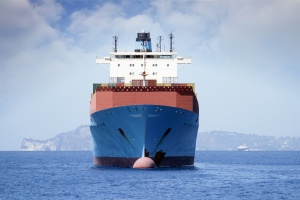
A.P. Møller-Maersk, EY, Microsoft y actores de la industria lanzan plataforma blockchain para seguros marítimos

por Mexicoport.com / 11 Septiembre, 2017

«EY y Guardtime anunciaron lo que denominaron como “la primera plataforma blockchain del mundo para el sector de seguros marítimos”. La plataforma se lanza en conjunto con A.P. Møller-Maersk A/S, Acord, Microsoft, MS Amlin, Willis Towers Watson y XL Catlin, tras un periodo de pruebas del sistema de 20 semanas.»

«La plataforma blockchain -construida sobre la tecnología de nube global de Microsoft Azure- está preparada para proporcionar un valor significativo a la industria de seguros y se planea su implementación a partir de 2018. Es la primera de su tipo en el sector de los seguros y se estima que su puesta en marcha gradual implicará el despliegue de los beneficios de los sistemas blockchain para su aplicación en toda la industria marítima.»

«La plataforma global blockchain conecta clientes, corredores, aseguradores y terceros a bases comunes que captan datos sobre identidades, riesgos y exposiciones, e integra esta información con contratos de seguros. Las funcionalidades de la plataforma incluyen la capacidad de crear y mantener datos de activos de múltiples orígenes; vincular los datos a las pólizas; recibir y actuar sobre la información resultante en un cambio de precios o de procesos de negocios; para conectar los activos, transacciones y los pagos del cliente; y para capturar y validar notificaciones o datos de pérdida actualizados.»

«Shaun Crawford, responsable a nivel global de seguros de, señaló: “El potencial de Blockchain para transformar el ecosistema de seguros, siempre ha sido claro. Lo que hemos hecho es avanzar del potencial a la realidad. Esta solución es la primera en aplicar la transparencia, la seguridad y la estandarización del blockchain al seguro marítimo, dejándola lista para su uso comercial”.»

«Añadió que “esperamos desplegar esta tecnología en toda la industria de seguros marítimos y estamos explorando cómo estos hallazgos y percepciones se aplicarán a otros mercados especializados de seguros e inclusive más allá“.»

«Explicó además que la plataforma blockchain apoyará al sector de seguros marítimos para abordar los desafíos de su complejo ecosistema internacional que involucra a múltiples actores, extensos papeleos y duplicación de información, altos volúmenes de transacciones y niveles significativos de conciliación de información. La plataforma blockchain, conecta datos y procesos dispares para abordar y mitigar los problemas asociados con la conciliación de información y la ocurrencia de errores.»

barcoAcortando distancias

«Por su parte Lars Henneberg, Jefe de Riesgos y Seguros de A.P. Møller-Maersk, señaló que “es una prioridad para nosotros aprovechar la tecnología para agilizar y automatizar nuestra interacción con el mercado de seguros. Las transacciones de seguros son actualmente demasiado tediosas y friccionadas. La distancia entre el riesgo y el capital es simplemente demasiado amplia. La tecnología Blockchain tiene el potencial de facilitar el desarrollo deseado de hace mucho tiempo“.»

«Explicó además que las aseguradoras pueden utilizar esta plataforma blockchain para aumentar su capital y obtener eficiencias, con mayor transparencia y reducción de ingresos de datos manuscritos o costos por conciliación y administración.»

«Mike Gault, CEO de Guardtime, indicó que “la KSI blockchain es una tecnología probada para asegurar las cadenas de suministro físico, de software y de información que las empresas confían para la integridad de sus negocios. Estamos encantados de colaborar con EY para ampliar el número de resolución de problemas de clientes con nuestra tecnología” y agregó que “la tecnología de Guardtime y el profundo conocimiento dominado por EY representa una formidable combinación para los clientes que buscan resolver problemas difíciles con la tecnología blockchain“.»

Reducción de tiempo

«Bill Pieroni, presidente y CEO de la organización global de seguros Acord, manifestó que: “estamos muy contentos de colaborar con EY en esta innovadora solución blockchain para la industria de seguros. Este esfuerzo de primera clase tiene el potencial de reducir drásticamente el tiempo, el costo y el riesgo en toda la cadena de valor del seguro. Acord espera trabajar conjuntamente para ayudar a nuestros miembros a darse cuenta de los beneficios asociados al blockchain“.»

«En tanto, Mark Russinovich, director de Tecnología de Microsoft Azure, sostuvo que: “Microsoft cree que blockchain es una tecnología de transformación con capacidad para reducir significativamente la fricción al hacer negocios, especialmente agilizando los procesos empresariales compartidos a través de múltiples organizaciones”.»

«Añadió finalmente que “el seguro marítimo es un excelente ejemplo de un proceso empresarial complejo que puede optimizarse con blockchain. Seguimos comprometidos con traerla a la empresa, y estamos encantados de trabajar con EY, Guardtime y otros expertos de la industria para desarrollar y desplegar soluciones de blockchain impulsadas por Microsoft Azure“.»

por Mexicoport.com / 11 Septiembre, 2017

La responsabilidad civil de las embarcaciones

Las embarcaciones son utilizadas para toda clase de actividades, que van desde las más complejas y especializadas hasta las de servicios rutinarios. Todas, sin excepción, pueden causar daños a terceros.


La Ley de Navegación y Comercio Marítimos (LNCM) define a las embarcaciones como toda construcción diseñada para navegar sobre o bajo vías navegables. Una de las formas que utiliza para clasificarlas es por el servicio que prestan:

  • Pasajeros
  • Carga
  • Pesca
  • Recreo y deportivas
  • Dragado de vías navegables
  • De extraordinaria especialización, como son las utilizadas para exploración, perforación de pozos, tendido de ductos, protección ambiental y salvamento.


Todas están expuestas a causar daños o perjuicios a terceros:

  • A la tripulación
  • Pasajeros
  • Otras embarcaciones
  • Instalaciones fijas o flotantes o
  • Al medio ambiente.


De acuerdo con el artículo 182 de la LNCM, los principales riesgos a los que están expuestas las embarcaciones y, por tanto, susceptibles de causar daños son:

  • El abordaje de embarcaciones de cualquier tipo
  • Las arribadas forzosas o imprevistas
  • Naufragio, incendio, varadura y encallamientos
  • La avería común
  • El acto u omisión que genere contaminación marina
  • El cambio obligado de ruta o puerto de destino, ocasionado por caso fortuito o fuerza mayor


Estos accidentes o incidentes, pueden causar daños a terceros en sus bienes y personas. Por ello, es muy importante que cuenten con un Seguro de Responsabilidad Civil, conocido como Protección e Indemnización (P&I), que les permita reparar o indemnizar los daños causados por ser propietarios de la embarcación o por las actividades que realizan.
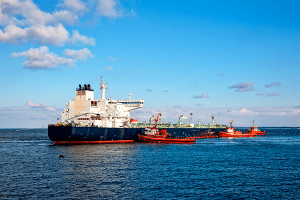
 

En NRGI Broker, somos expertos en seguros de Protección e Indemnización. Acércate a nosotros, con gusto te atenderemos.


barco

NAFTA Talks Called Opportunity to ‘Lock In’ Mexican Energy Reforms, U.S. Gas Trade

From Naturalgasintel.com / Peter de Montmollin / September 11, 2017

3«The North American Free Trade Agreement (NAFTA) renegotiations are an opportunity to update the 1994 treaty so that it reflects changes in Mexico’s oil and natural gas sector and deepened ties to Canada and U.S. energy markets, according to analysts.»
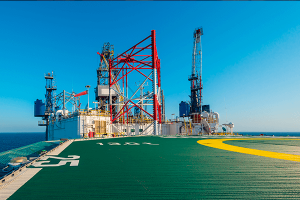
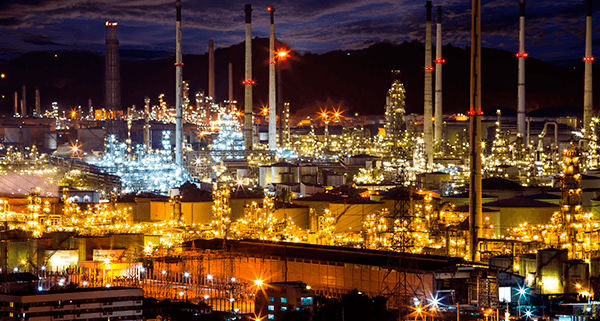
«“North American energy markets have changed, and there are the new reforms in Mexico,” BDO Mexico’s Rita Mireya Valdivia Hernandez, a partner in the tax practice, told NGI.  “We need to adapt or modify NAFTA so that it is aligned with what North America is today.”»

«Talks to hammer out the details of a new NAFTA began in mid-August with the first of seven negotiating rounds scheduled through December. Delegates from the United States, Mexico and Canada met again in early September, while the third round is scheduled for Sept. 23-27.»

«The Mexican energy industry was, and remains, exempt from certain clauses on oil and gas trade in Chapter 6 in the original NAFTA of the 1990s because constitutional constraints at that time restricted foreign investment.»

«After the 2013 energy reforms, “the constitution now allows for foreign companies to come in and exploit Mexico’s resources,” Valdivia Hernandez said. “That is not written into NAFTA.” A modernized NAFTA could remove those exemptions and also incorporate new environmental regulations enacted since the treaty came into force on January 1, 1994, she said.»

«Moreover, Mexico’s energy integration with its northern neighbors — most of all, the United States — has deepened considerably since NAFTA’s implementation. Mexico is becoming more dependent on imported U.S. natural gas. It also exports heavy oil for processing in U.S. refineries on the Gulf Coast, which then sell the final products back to Mexico.»

«At the latest round of talks, which concluded in Mexico City earlier this month, the head of the Mexican delegation said negotiators were focusing on ways to incorporate the energy reforms into NAFTA, according to Reuters.»

«Writing the energy reforms into the treaty also would help the outgoing Mexican administration to protect it from any potential political blowback, according to speakers on a panel organized last week by the Atlantic Council in Washington, D.C. One of the leading candidates for the 2018 Mexican presidential elections, Andres Manuel Lopez Obrador, is a vocal critic of the reforms.»

«“There obviously is a risk of reversal, but in NAFTA itself one of the ways you modernize is to try and lock in those reforms in terms of international obligations,” said senior fellow Jeffrey J. Schott of the Peterson Institute for International Economics. “That is something that should be readily done, to the benefit of both the United States and Mexico.”»

«The energy sector is not at the center of the NAFTA’s most contentious talks, which include dispute arbitration mechanisms and rules of origin. Nevertheless, the industry has emerged as one of the treaty’s strongest defenders.»

«Leading North American oil and gas trade associations jointly issued a position paper last month that touted the successes of NAFTA and urged negotiators to “do no harm.” In July, a senior executive for Sempra Energy, which operates in Mexico as IEnova, testified before the U.S. Congress that the agreement had been a “big win” for the domestic energy sector.»

«The natural gas sector in particular has cemented the energy trade bonds between the United States and Mexico, at a time when their long-standing diplomatic relationship is being tested by the combative rhetoric of President Trump. Former Texas governor and now Secretary of Energy Rick Perry, as well as Secretary of State Rex Tillerson, a Texas native who formerly was CEO of Irving, TX-based ExxonMobil Corp., still have strong ties to the state.»

«With its domestic gas supply on the decline, Mexican power plants and large industrial consumers are eager buyers of surplus gas from Texas producers. Under NAFTA, exporters in the United States do not pay tariffs on shipments to Mexico, which phased out its duty on natural gas imports in August 1999.»

«“Frankly, the survival of the U.S. gas industry depends on exports to Mexico,” said David L. Goldwyn, president of Goldwyn Global Strategies LLC, at the recent Atlantic Council meeting.»

«As a signatory to NAFTA, Mexico is granted free trade agreement (FTA) status under U.S. regulations, which has also facilitated expanding cross-border pipeline infrastructure. The U.S. Energy Department has automatically approved exports to FTA countries.»

«To date, companies along the U.S. border have built 17 pipelines, with a total installed capacity of 7.5 Bcf/d, to meet demand in Mexico. At least two more pipelines are under development.»

«“The uncertainty for Mexico is, will they continue to have that status?” Goldwyn asked. “And if you’re a gas buyer, how certain is that supply?”»

«More broadly, the biggest uncertainty for the energy sector is the fate of the investor-state dispute settlement mechanism in Chapter 11 of NAFTA, according to panel members at the Atlantic Council meeting. It is not clear whether Chapter 11 eventually would be targeted in the current negotiations, but both the U.S. and Canadian governments have indicated that they may seek to reform it.»

«In Mexico, the arbitration mechanisms under NAFTA have provided security for U.S. companies investing in pipelines and other energy infrastructure, and any signs of a breakdown in the system could cause investors to slow or even halt those projects, Schott said.»

«Goldwyn noted that Mexico’s deepwater oil and gas projects were particularly sensitive.  “You’re talking about contracts where it is $100-200 million per well, and you’re waiting eight years to make money.»

«“You’re not going to make that investment, versus Brazil, versus sub-Saharan Africa, unless you are sure that if something goes wrong and things don’t work out with the government, that you have some third-party neutral source arbitrating that dispute, so that you don’t throw away $500 million and end up with nothing,” he said.»

«U.S. and Mexico authorities each have indicated they would like to finish NAFTA talks by early 2018. The Atlantic Council panel speakers, however, were skeptical the deadline would be attainable, citing the scope and ambitions of the negotiations.»

«Furthermore, “there are political constraints in pursuing compromises and negotiation strategies in an election year, both in the United States and in Mexico,” Schott said. “I think there’s a good chance that the negotiations will still be ongoing in 2019.”»

From Naturalgasintel.com / Peter de Montmollin / September 11, 2017

Mexico’s Energy Reform is Paying Off

From Breakbulk.com / By Kerry Dimmer

«For more than 80 years, the state-owned Petróleos Mexicanos, or PEMEX, hegemony on the energy sector restricted Mexico’s ability to adapt to changing global energy markets.»

«The impacts have been profound. One of the most significant changes saw the country’s oil and gas production decline, which in turn increased the nation’s dependency on imports of gas and oil products. Further exacerbation to its economy came from rising power production costs, aging infrastructure and a widening human resources gap, among other negatives.»

«So, it was with some relief that the government in 2013 announced its energy reform bill. Conceptually, it is an extremely significant and insightful document, because it underscores the government’s commitment to change Mexico’s economy and is touted as the catalyst for continued and sustainable growth and welfare.»

«With it comes a new era of free trade for the nation, with new global partners that view it as a strong and competitive energy hub, and one that also endorses environmentally friendly practices, a sign of Mexico’s intention indicated by it being one of the earliest nations to sign the Paris climate accord.»

«Fast forward to 2017 and Mexico seems to have made good on its promises, having agreed:

  • Eleven free-trade agreements with 46 countries.

  • Nine economic cooperation agreements.

  • Thirty-three Reciprocal Investment Promotion and Protection agreements.»

«These indicate that Mexico’s energy reform just might be something special to tap into.»

Making Moves in Record Time

«It is remarkable that Mexico has been able to initiate its energy reform in just a few short years, compared with the 20-plus years that more mature markets have faced. As the world’s 10th-largest export economy, according to MIT’s Observatory of Economic Complexity, Mexico has also been named as the 21st-most complex according to the Economic Complexity Index. Whether its energy reform can bolster these rankings will be clear by the end of the decade, as Mexico hits the seven-year marker for its reform.»

«What makes Mexico’s progress all the most notable is that this blueprint has been actioned at a time when oil prices are in a tailspin and global economic volatility is at a peak.»

«National policies to improve energy efficiency are critical to all countries, but perhaps more so for Mexico, whose oil sector has taken serious knocks over recent years. Despite attempts to diversify away from hydrocarbons, oil revenue still accounted for about one-third fiscal revenue in 2014, according to the International Energy Agency, or IEA.»

«In its report, the Mexico Energy Outlook (2016), IEA confirmed that Mexico’s fiscal revenue fell by more than half in 2015 due to the global decline in oil prices. With crude oil production falling further in 2016, Mexico might have floundered into dire straits were it not for “the increasing availability of relatively cheap natural gas imports from the U.S. providing a welcome boost to Mexico’s power sector,” the IEA said.»

«With its energy reform in place, Mexico can return to the benefits of its large hydrocarbon resources, but in a more sustainable, efficient, transparent and productive manner.»

«For project cargo interest, an indication of what is to come was highlighted by the first bidding process in December 2016 for eight of the 10 blocks of deepwater offerings. This first round opened Mexico’s oil and gas scene to international interest, and with some 80 percent of the contracts already awarded, it attracted the oil majors and proved that exploration and production is back on the agenda in Mexico. This bodes well for the project cargo market in transporting the large components needed in the construction of fields and processing plants.»

Chasing Green Energy

«However, while oil remains important, Mexico will also continue to encourage low-carbon sources of energy growth – mainly through gas, solar and wind farm power – on the back of the government’s desire to embrace clean power generation.»

«Alternative power source production will go a long way towards easing demands on the national power grid, an imperative given a 25 percent increase in energy demand since 2000. With the energy reform in place, this sector is also expected to create some 2 million jobs by 2025, as an added benefit.»

«Generating 35 percent of total energy from clean sources by 2024 and 50 percent by 2050 are the goals, and in facilitating this the government is offering private companies opportunities to produce and sell electricity in competition with its state-owned utility Comision Federal de Electricidad, or CFE.»

«Solar, followed by wind, are the most dominant and popular projects, unsurprising given the country is blessed with significant renewable natural resources. Both renewables are expected to account for about half of total investment in generation and half of generation capacity additions in coming years.»

2

Eye on Developments

«Augustin Valdivia, owner’s engineer at Think Forward Power, said the transition was slow when the energy reform was introduced, but after Mexican state-owned utility CFE and power grid operator CENACE (Centro Nacional de Control de Energia) concluded two public Power Purchase Agreements, or PPAs, more than 5.4 gigawatts of contracted power capacity manifested.»

«“These PPA auctions appear to have stimulated the market for new project development and construction,” Valdivia said, “and those companies that won PPAs from the CFE and CENANCE auction are currently working on developing and building those projects over the forthcoming years.”»

«Think Forward Power, whose main activities include consultancy, outage support, regulatory approvals and permitting, and power generation project development and construction, has kept a keen eye on the growing energy market, given it is “still maturing,” as Valdivia described it.»

«“One of the current biggest challenges, but which we also see as being an opportunity, is for existing service providers to adapt to a new, more competitive market. New power plant construction is reportedly being developed with very aggressive and competitive prices, which in turn results in reduced project budgets. Spanish companies appear to be well-positioned in the market based on their familiarity with the culture, language compatibility and competitive pricing,” he said.»

«This does not mean, however, that other nations are excluded, Valdivia said. “Mexico welcomes partnerships with foreign organizations and particularly those in oil exploration and production, liquefied natural gas export, solar, wind and gas-fired power generation. Each area of the energy market includes a number of active international participants, and those appear to be driven by individual companies’ skills, know-how and interest in investment in Mexico.”»

«Freight forwarders; cargo carriers; engineering, procurement and construction companies; and other logistics suppliers are some of the new investors, particularly for the wind energy projects, which depend heavily on effective, capable transportation and logistics.»

“For example, a typical 125-megawatt project may require shipments of approximately 1,000 large components, including blades, nacelles and tower sections,” Valdivia said. “These components are often delivered to Mexico through Altamira Port in the Gulf of Mexico, or Manzanillo Port in the Pacific. Such transportation is going to be crucial in helping contractors to deliver projects on time.”

Boon For Transporters

«Mexico’s energy reform is already having positive impacts for the region’s transport industry, including for well-established businesses like Mucino Transportes, which offers specialized transport services, particularly those of heavy and oversized loads in Mexico, the U.S. and Canada.»

«Raúl Cuevas Fernandez, in Mucino’s commercial division, said he anticipates being very active with the number of wind farms planned for development next year plus other wind combined cycle projects. Mucino already transports, across distances of 1,000 kilometers, heavy components ranging from 200 to 300 tonnes for energy projects in the towns of Topolobampo, Cortijo and El Carmen. Mucino is also in the planning stages of transporting an oversized load from Topolobampo to San Miguel Zapotitlan in the Los Mochis area.»

«Given the potential, it’s a particularly competitive market. “There are a number of foreign companies entering Mexico, and combined with other major players that are dropping market prices, we are starting to see some delays on projects. This makes it more difficult to win bids, but we believe there are enough projects in forthcoming years, for many to benefit from,” Fernandez said.»

«Some transporters were concerned about access to projects, given that wind farms, for example, are usually sited in remote locations. However, Fernandez did not see this as a problem: “Mexico’s infrastructure is constantly evolving, but ultimately it’s about doing business with what exists and adapting to opportunities. As such we are expanding our capabilities with the acquisition of new equipment such as Faktor 5 and Addrive, along with other ultra-long decks so that we are well prepared with the right tools, for when new opportunities arise.”»

«However, while Mexico’s energy reform is certainly on its way to becoming one of the world’s most attractive investment destinations, challenges remain, including consolidation of the new model, and transparency and accountability. Also, the need to attract private investment means that value chains of supply, and delivery of those, will prove vital in changing the economic landscape for all involved.»

From Breakbulk.com / By Kerry Dimmer

refineria

Pemex retrasa arranque de refinería Salina Cruz por réplicas de sismo

De El Financiero / Reuters / 11.09.2017

«Petróleos Mexicanos (Pemex) no ha podido reiniciar operaciones luego de haber sido parada la madrugada del viernes, tras el fuerte sismo del jueves, debido a las continuas réplicas, mientras que las instalaciones son revisadas de forma minuciosa, dijo este lunes un portavoz de la empresa.»

«La petrolera había dicho el viernes que comenzaría el proceso de arranque la refinería Ing. Antonio Dovalí, ubicada en Salina Cruz, en Oaxaca.»

«»No ha arrancado por razones de seguridad, están haciendo revisiones exhaustivas», dijo un portavoz de Pemex sobre la refinería, que tienen capacidad para procesar 330 mil barriles por día (bpd) y que había reiniciado operaciones a fines de julio tras una larga parada por un incendio.»

«Pemex informó en un comunicado este lunes que hasta el momento no se ha detectado evidencia de que exista daño estructural en las instalaciones de los procesos principales. Sin embargo, se encontraron afectaciones en los sistemas eléctricos de generación y recibo que, una vez resueltos, permitirán hacer las pruebas necesarias «para iniciar una operación segura y rentable».»

«El terremoto magnitud 8.2 que sacudió el jueves a México ha dejado hasta el momento 96 muertos en el sur del país, principalmente en el empobrecido estado de Oaxaca, además de miles de viviendas destruidas y más de dos millones de personas afectadas.»

refineria«Agregó que el abasto de combustibles se encuentra garantizado tras el paso del huracán ‘Katia’ en el Golfo de México y que afectó principalmente a Veracruz.»
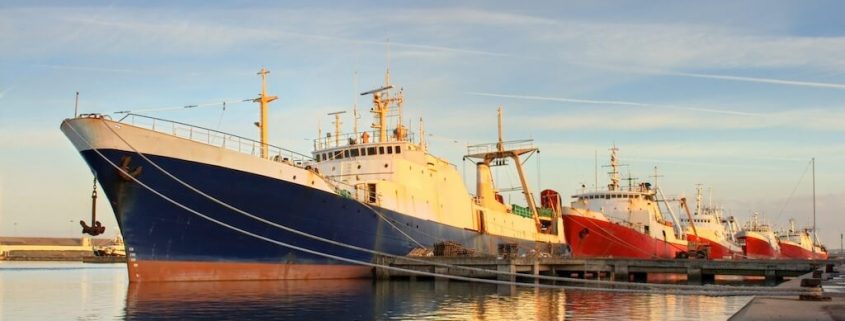
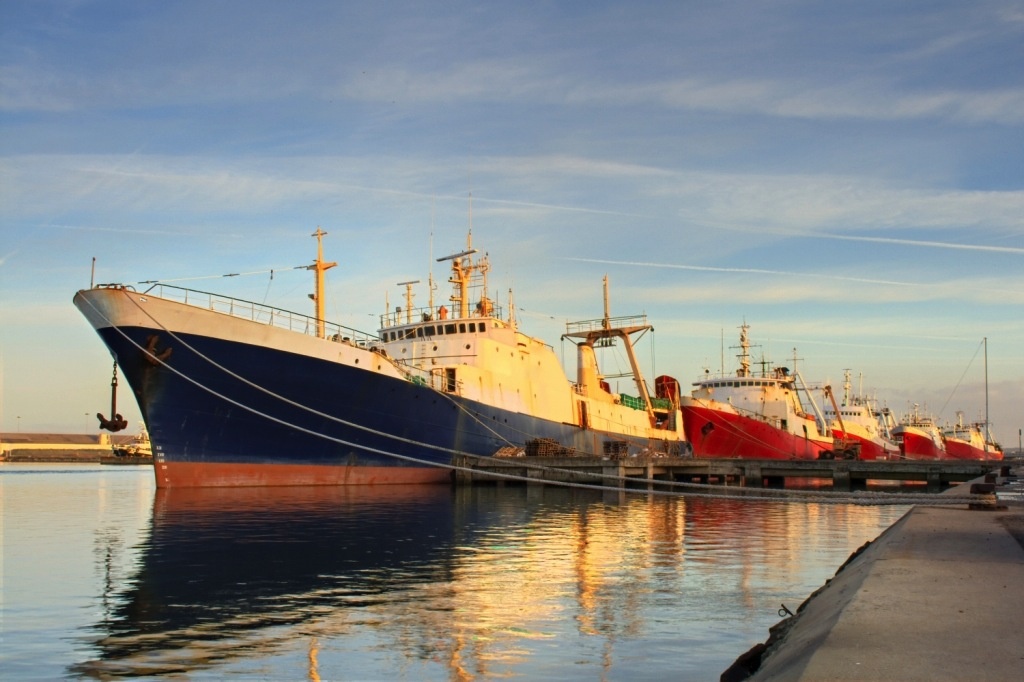

«“Tras los fenómenos meteorológicos que afectan a todo el país, se estableció una estrategia de suministro de gasolinas, diésel y turbosina provenientes de otros mercados, por lo que los inventarios son suficientes para cubrir la demanda”, dijo en un comunicado.»

«Las lluvias de Katia, que tocó tierra el viernes por la noche como huracán categoría 1 en el estado de Veracruz, provocaron la muerte de dos personas y daños en una cuarta parte del territorio estatal.»

De El Financiero / Reuters / 11.09.2017

Puerto de Lázaro Cárdenas lanza licitación para terminal de hidrocarburos

Foreign brand retail stations open in Mexico

From The Oil and Gas Year / MEXICO CITY, August 30, 2017

«Several service stations operated by various international companies began operations in Mexico, international media reported on Tuesday.»

«US fuel marketer and refiner Andeavor, formerly Tesoro, opened its first Arco brand station in the country yesterday. Located in Tijuana, the store is the first of 200-400 Andeavor stations expected to be opened throughout Baja California and Sonora states in the coming years.»

«“Opening our first Arco station in northwest Mexico is a natural and strategic link for our west coast operations and integrated value chain, furthering our marketing integration in a growing market,” Andeavor chairman, president and CEO Greg Goff said in a company statement.»

«The company has partnered with local marketer Professional Fuel Solutions on the retail chain.»

«Working in association with local retailer RedCo, Chevron launched its first Mexican petrol station Sunday morning in Hermosillo, Sonora. The station, operated by local subsidiary Chevron Combustibles de México, offers automotive fuel with the company’s signature Techron additive. The station’s official inauguration is scheduled to take place today.»
«BP, which entered Mexico’s fuel retail sector in March, inaugurated four new stations on Tuesday in the state of Mexico. The company opened two sites in Atizapán de Zaragoza and one each in the cities of Tlalnepantla de Baz and Nicolás Romero.»

«According to a company statement, BP is scheduled to open two more stations in the state during the first week of September, bringing the total number of its stores there to 10. The company has said that it intends to build a network of 200 stations in 2017 and reach 1,500 by 2022.»

«Additionally, Shell is expected to enter Mexico’s fuel retail market on September 5, with the objective of opening one petrol station per week by December. The super-major has committed to investing an initial USD 20 million in this operation.»

From The Oil and Gas Year / MEXICO CITY, August 30, 2017


NAFTA negotiators seek to enshrine Mexico’s energy reforms

From Reuters / SEPTEMBER 2, 2017 / 3:45 PM / Anthony Esposito, Frank Jack Daniel

«MEXICO CITY (Reuters) – U.S., Canadian and Mexican negotiators are zeroing in on ways to enshrine Mexican President Enrique Pena Nieto’s sweeping energy reforms into a modernized North American Free Trade Agreement, Mexico’s chief negotiator said on Saturday.»

«The 2014 reforms wrung control of the country’s oil and gas sector from state hands, opening it up to private investment, and incorporating them into the 23-year-old NAFTA is seen as a way to help preserve them for the long term.»

«“We’re working in this sense, analyzing all of the elements that need to be included in the energy discussion to reflect the reform Mexico established,” Mexico’s chief trade negotiator, Kenneth Smith, said on Saturday after a bargaining session in the second round of NAFTA modernization talks.»

«Smith, speaking to reporters as he walked side-by-side with his counterparts John Melle of the United States and Steve Verheul of Canada, added that negotiators would “look for mechanisms that allow us to integrate ourselves in a positive way in the energy sector.”»

«Trade negotiators from the three nations are working through the weekend in Mexico City to present more proposals to revamp NAFTA, an accord that underpins more than $1.2 trillion in annual cross-border trade.»

«When NAFTA was enacted in 1994, Mexico’s energy sector was closed and Pena Nieto’s reforms ended a decades-long monopoly for national oil company Pemex [PEMX.UL] and ensured competitive oil auctions. Incorporating them into NAFTA would help shield them from any future governments that may want to reverse them.» 

«Trade experts both in the United States and Mexico have said that increasing energy trade and investments through NAFTA would help reduce the $64 billion U.S. trade deficit with Mexico that irritates U.S. President Donald Trump, partly through increased U.S. gas and oilfield equipment sales to Mexico.»

shutterstock_292231469PENA NIETO STRIKES BACK AT TRUMP‘S SWIPES

«Trump has repeatedly threatened to rip up NAFTA, warning he could do so again just this week.»

«Pena Nieto, in his annual address to the nation on Saturday, defended free trade and young migrants in the United States, saying his government would not accept insults against “national dignity” from Trump’s administration.»

«“The relationship with the new government of the United States, like any other nation, must be based on irrevocable principles: sovereignty, defense of the national interest and protection of our migrants,” Pena Nieto said.»

«“We will not accept anything that goes against our national dignity,” he told a crowd of politicians and the country’s elite, who rose at that point to deliver the most vigorous standing ovation of his address.»

«Trump this week also insisted again that Mexico would eventually pay for his proposed wall on the southern U.S. border to block the flow of illegal immigrants and drugs.»

«Pena Nieto shied away from mentioning the wall but said Mexico would promote the recognition of migrants for their contributions and reject discrimination against them.»

«Pena Nieto also said Mexico would continue to defend NAFTA as a vehicle to further integrate the region.»

«“The negotiating team has precise instructions to participate in this process with seriousness, good faith and a constructive spirit,” he said, “always putting first the interest of Mexico while reaching for a result where all three countries win.”»

«Trump has repeatedly threatened to pull out of NAFTA if talks do not go his way and on Saturday said he would discuss next week with his advisers whether to withdraw from a trade deal with South Korea that he has also long criticized.»

«Top Mexican officials said Latin America’s No. 2 economy would walk away from negotiations if Trump moves to withdraw from the deal.»

«Negotiators were going to take until Monday to get to one of the thorniest issues, U.S. demands for increased North American and U.S. content for autos and other manufactured goods, according to a schedule seen by Reuters.»

«Mexico’s Smith said no specific proposals had been put on the table by U.S. negotiators regarding rules of origin.»

«Additional reporting by Adriana Barrera and David Lawder; Writing by David Lawder and Michael O’Boyle; Editing by Lisa Von Ahn and Bill Trott»
«Our Standards:The Thomson Reuters Trust Principles.«

From Reuters / SEPTEMBER 2, 2017 / 3:45 PM / Anthony Esposito, Frank Jack Daniel


El negocio del petróleo y del gas es de alianzas: Pemex

de Forbes /  Septiembre 4, 2017 @ 6:55 am / Por Arturo Solís y Jonathán Torres

«En el piso 44 de la Torre de Petróleos Mexicanos (Pemex), una advertencia impresa en español e inglés, acompañada por una caja de madera forrada con piel, recibe a los visitantes en la sala de espera: “Para que la reunión fluya de mejor manera, te solicitamos dejar el celular”.»

«Los esfuerzos para aliviar la presión, incluso desde el management, se reflejan en la salud de la empresa más grande del país. Tras cuatro años y medio con pérdidas, el gigante petrolero reportó ganancias por 87,000 millones de pesos (mdp) en el primer trimestre de 2017.»

pemex-1024x679«El hombre detrás del respiro financiero se llama José Antonio González Anaya, conocido por haber apagado el incendio en las arcas del Instituto Mexicano del Seguro Social (IMSS) y quien llegó a la empresa energética en medio de una crisis mundial en la industria petrolera, ante el hundimiento de precios del crudo en septiembre de 2014.»
«Sin embargo, el éxito en sus márgenes de utilidad ha sido, en cierta forma, eclipsado por la corrupción en contratos con la compañía brasileña Odebrecht, acusada de sobornos en múltiples países de América Latina, situación que ha llevado a su expresidente, Marcelo Odebrecht, a la cárcel. En respuesta, Pemex ha destituido a funcionarios y cancelado contratos con la constructora sudamericana.»

«Otro fenómeno que ha golpeado las actividades de Pemex es el robo de combustible, que ha costado 20,000 mdp anuales, según la Secretaría de Hacienda y Crédito Público (SHCP).»

«La compañía mexicana también convive con uno de los sindicatos más poderosos en la industria petrolera, mientras la apuesta del gobierno es que esta empresa productiva del Estado sea más competitiva y rentable, con licitaciones en áreas donde Pemex no puede sola.»

«Además, con las elecciones presidenciales acercándose, el temor de que se dé marcha atrás a las reformas estructurales sigue latente.»

«¿Cómo ha sido el proceso de recibir una compañía que no tenía buenos números y dónde está ahora?»

«No somos de echar porras o pajaritos a volar. Con la operación que anunciamos de recompra de 5,000 mdp en bonos, hemos terminado nuestro programa de financiamiento de aquí a diciembre de 2018 y esto, sumado a que Standard & Poor’s [S&P] cambió la perspectiva de la calificación de “negativa” a “estable”, nos da una idea de las finanzas de la empresa. Nos falta muchísimo por hacer. Tenemos que seguir trabajando, pero es un buen momento para comunicar una buena noticia: Pemex, a 18 meses del cambio de administración, ha terminado el programa de inversión.»

«¿En dónde está el principal reto que usted ha enfrentado en esta administración?»

«Antes de la reforma energética, sólo Pemex podía hacer actividades relacionadas con hidrocarburos. Sólo él podía explorar, perforar, transportar, refinar, procesar y comercializar, cuando cualquier empresa lo puede hacer. Más allá de esto, hoy se le permite a Pemex tener socios, hacer alianzas con otras empresas. El negocio del petróleo y del gas es de alianzas, no es una cosa que se entienda, comprenda y se sepa. Se piensa que todos los negocios son así y no es estrictamente cierto. En el negocio de los medios de comunicación no hay tantas alianzas; en el negocio petrolero sí, pues está caracterizado por las empresas más grandes del mundo que compiten ferozmente entre sí, pero que, a la vez, tienen decenas de proyectos conjuntos que antes no se le permitía a Pemex. Ahora puede compartir proyectos de inversión, riesgo y tecnología. Todo eso nos ha ayudado, nos ha llevado a cambiar la realidad de la empresa.»

«¿Cuál es la meta de aquí al cierre de la administración? ¿Dónde ve usted a Pemex cuando deje la administración?»

«Es irónico, pero cuando el presidente de la República me nombró director de Pemex me dio dos indicaciones: ajustar la estrategia de negocio al mismo tono de precios, que se traduce en poner en orden las finanzas de la empresa y, en segundo lugar, acelerar la implementación de todas las oportunidades de la reforma. Y digo que es irónico porque esas dos indicaciones que, en su momento eran dos párrafos, se han desdoblado a una estrategia de negocios. ¿Cómo hemos hecho esto? Por una parte, con estrategia financiera y, por otra, en el día a día de la empresa en cuanto a exploración y producción. Sacamos nuestra primera alianza, ya competimos por nuestros primeros campos, vamos a presentar nuevas alianzas, durante octubre, en aguas someras y en campos terrestres; en enero volverá a salir otro campo de aguas profundas, alianzas en refinación, en logística y transporte de hidrocarburos. Poco a poco vamos encaminándonos a la manera de hacer negocios de todas las empresas en el mundo.»

«¿Que más le hace falta a Pemex? Tiene infraestructura en telecomunicaciones y, con esta visión de ser más rentable, ¿está pensando licitarla?»

«Estuvimos concentrados en nuestras áreas de negocios centrales por razones históricas y Pemex tuvo, hasta hace 10 años, la segunda red de telecomunicaciones más grande del país. Ahora ya hay otras más grandes, pero somos grandes generadores de electricidad; somos un gran generador de electricidad, tenemos un montón de plantas de tratamiento de agua, en fabricación de hidrógeno… [En] todas estas cosas estamos pensando aliarnos con gente especializada y, de esta manera, podernos concentrar en lo nuestro. Y lo nuestro es el petróleo. Lo estamos analizando.»

«¿Cuándo empezaría este proceso?»

«Ojalá pronto.»

«¿De qué depende?»

«De qué tan rápido lo podamos organizar. No está hecho. Esta infraestructura estaba diseñada sólo para servir a Pemex. Yo soy de un pueblo petrolero y a mí siempre me sorprendía que, cuando era chico, iba a la casa de la familia de un amigo, que trabajaba en Pemex, y tenía dos teléfonos. Yo le preguntaba: ¿Por qué tienes dos teléfonos? Y me respondía: uno de Telmex y otro de Pemex.»

«¿Cómo va la lucha contra la corrupción en Pemex?»

«Traemos un aprendizaje del Instituto Mexicano del Seguro Social, en el cual dos palabritas, muy comunes tienen un enorme alcance: competencia y transparencia. Pemex es el mayor comprador de bienes y servicios de México. Si nosotros logramos que la compañía compre de manera transparente y competitiva sus bienes y servicios, va a recibir una mejor relación de precio y calidad, pero, más importante, en este proceso se irá eliminando la corrupción. Hemos invertido la proporción de contratos de asignación directa a contratos competitivos: cuando antes era de 70-30, ahora estamos al revés, en 80-20, pero la mayor parte es de centros competitivos. Esto nos hace más transparentes, aunque no todo el mundo queda contento.»

«¿Cómo ha avanzado la estrategia contra el robo de combustible? Han detenido a muchas personas que lo venden, pero no hemos sabido quiénes lo compran.»

«Es un problema que ha venido creciendo y yo te diría que hay dos elementos diferentes en esta nueva estrategia: el primero es, precisamente, que antes nos enfocábamos en evitar el robo, en tratar de agarrar a alguien cuando está perforando un ducto, cuando está robando un camión, cuando se está robando algo.»

«Ahora lo que estamos atacando es adónde llevan el producto. La cantidad de combustible que nos están robando no permite que se robe y venda en puestos pequeños de carreteras; se están utilizando vías más grandes. Eso es lo que estamos atacando. Hemos hecho operativos a 24 gasolineras y vamos por más.»

«El segundo elemento de esta estrategia es reconocer que hay que utilizar todos los elementos del Estado. Como resultado de esto, cada semana nos reunimos [en] un grupo multidisciplinario liderado por los titulares de la Secretaría de Hacienda y Crédito Público, la Procuraduría General de la República, la Secretaría de Energía, fuerzas de seguridad y Pemex. Vamos viendo, cada semana, en dónde nos tenemos que ir moviendo. No es un tema fácil de resolver. La experiencia internacional, en particular la colombiana, nos indica que no es un tema de días, sino de meses… y no de pocos.»

«La principal batalla, más allá de la cultura organizacional y la competitividad, puede estar en romper con estas prácticas, que no son “robo hormiga”, sino grandes estructuras que se están dando desde adentro para alimentar un robo mayúsculo.»

«Tenemos muchas batallas. Pemex es una empresa muy grande. Las ventas de Pemex son el Producto Interno Bruto [PIB] de Uruguay. Es difícil decir. No hay varitas mágicas para resolver estos problemas complejos y hay que enfrentarlos en todos los frentes.»

«Éste es el primer año en donde Pemex reporta ganancias después de tener una estela de pérdidas. ¿dónde está ese trabajo que a usted le hace falta desarrollar?»

«Todos los días me siento insatisfecho. Todos los días tenemos 1,000 frentes en los que tenemos que avanzar con más rapidez. Cuando digo que nos falta mucho por hacer, no es un decir; es la verdad. Me gustaría acelerar el paso en muchas de las cosas que hacemos. Siempre queremos ir más rápido, pero estos cambios también toman tiempo. Desgraciadamente, tenemos que hacerlos dentro de la cultura organizacional, dentro de lo que podemos ir trabajando. A mí no me gustaría decir que hay un área; yo creo que ahorita tenemos varias áreas.»

de Forbes /  Septiembre 4, 2017 @ 6:55 am / Por Arturo Solís y Jonathán Torres


El riesgo en las terminales de almacenamiento

De conformidad con el artículo 4 fracción II de la Ley de Hidrocarburos, el almacenamiento es la actividad que consiste en depositar o resguardar hidrocarburos y petrolíferos en espacios destinados para ello, que pueden ubicarse en la superficie, el mar o el subsuelo. Las instalaciones que se utilizan para tal efecto pueden ser de varios tipos: terminales, tanques subterráneos y tanques submarinos. Incluso, los buques-tanque o los llamados “supercargueros” han sido recientemente utilizados para almacenar petróleo en el mar[1].


Se trata de una actividad muy importante en la cadena de valor de los hidrocarburos y petrolíferos, ya que es un eslabón entre la producción y el transporte; sirve de depósito en caso de sobre-oferta y además son los espacios de resguardo en los centros dedicados a la venta al público.


Como se puede ver, el almacenamiento sirve a distintos fines y por ello la infraestructura utilizada es de diversos tipos y capacidades.


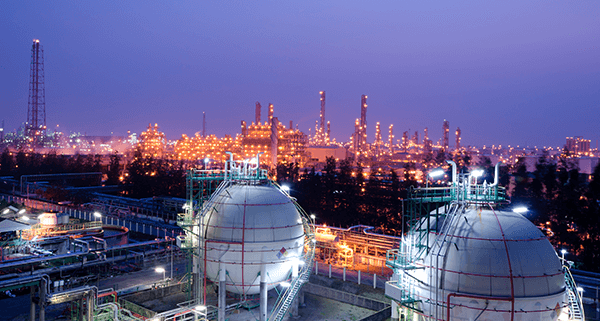
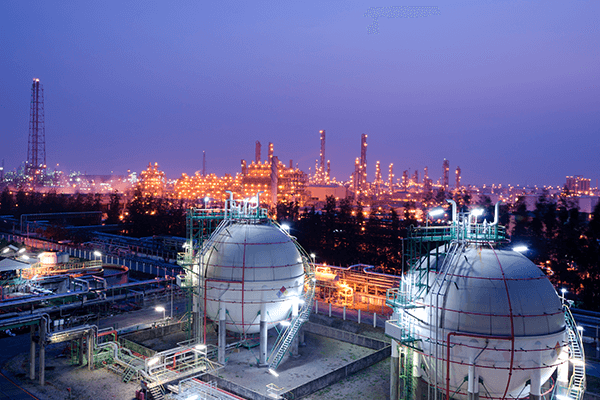
Las terminales de almacenamiento se distinguen por servir de resguardo para grandes cantidades de hidrocarburos y petrolíferos; pero al ser depósitos de amplias dimensiones, se encuentran expuestas a diversos riesgos tales como incendio, explosión, fuga, derrames, entre otros, que de materializarse pueden presentar graves consecuencias para personas, bienes y medio ambiente.


Uno de los medios más efectivos para que las empresas puedan estar respaldadas frente a los riesgos a los que están expuestas es contar con un Programa Integral de Seguros, con las coberturas adecuadas y los montos suficientes, de acuerdo a sus características.


En general, un Programa Integral de Seguros para una terminal de almacenamiento, deberá contar con los siguientes seguros:
  • Construcción y montaje (en caso de estar en la etapa de construcción).
  • Daños materiales.
  • Equipo Electrónico.
  • Responsabilidad Civil.
  • Responsabilidad Ambiental.
  • Pérdidas Consecuenciales.


En NRGI Broker, somos expertos en seguros para Terminales de Almacenamiento de Hidrocarburos. Acércate a nosotros, con gusto te atenderemos.


1


[1] http://www.notimerica.com/economia/noticia-exclusiva-sobreabundancia-crudo-lleva-operadores-buscar-supercargueros-almacenar-mar-20150108190131.html