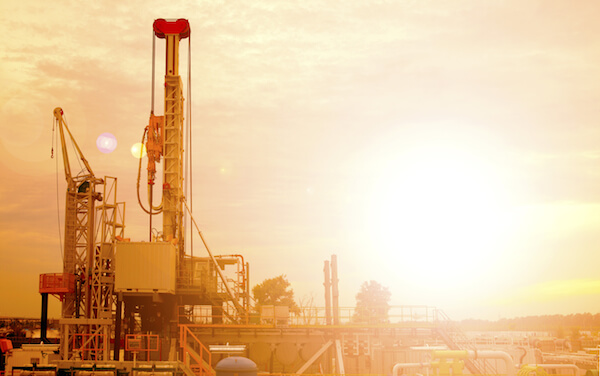
Retos en aguas Profundas y Ultra-profundas

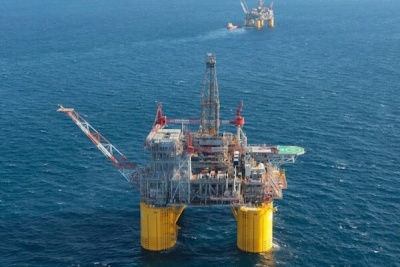
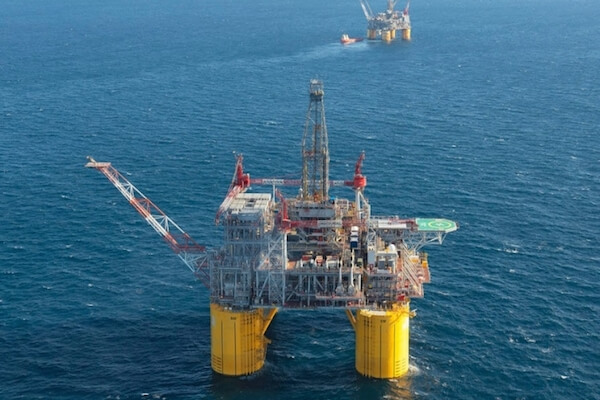
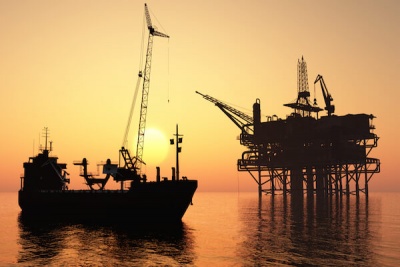
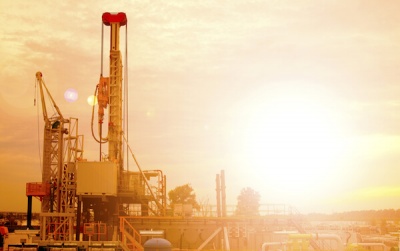
Mundialmente la explotación de hidrocarburos está aumentando en lo que se denomina “aguas profundas” y “ultra-profundas”, es decir zonas en mar en las que se trabaja a más de 500m y 1500m de profundidad respectivamente.

Esto conlleva a problemas que se refieren a condiciones de alta presión y alta temperatura, suelos de consistencia blanda, georiesgos de mayor complejidad, corrientes oceanográficas severas y alta sensibilidad a factores ambientales, en cuanto a los retos por resolver se encuentran:

  • El aseguramiento de flujo desde el pozo hasta las plataformas y sistemas de producción

  • La caracterización de los peligros, la planeación, diseño y ejecución de los trabajos de perforación

  • Terminación de los pozos, caracterización del comportamiento de los sistemas de producción en las condiciones particulares de los ámbitos de explotación y la generación de normas basadas en riesgo y confiabilidad para el diseño y evaluación de estos sistemas.

En estos proyectos, los costos marginales superan el USD millón por día, por lo que se requiere hacer una planeación eficiente para disminuir el tiempo no productivo y apoyar la amortización económica de los costos.

Además algunos eventos recientes han hecho que los operadores sean plenamente conscientes de que el manejo de riesgos y el cumplimiento estricto de las normativas revisten una importancia primordial al trabajar en un ambiente en el que los errores pueden traducirse en catástrofes humanas, ambientales y financieras.

En México se tiene un programa de investigación para el desarrollo de campos en aguas profundas, auspiciado por el Instituto Mexicano del Petróleo.

Este programa se enfoca en las siguientes áreas:

  • Caracterización de los peligros naturales y de los hidrocarburos

  • Caracterización del comportamiento de los equipos y sistemas

  • Establecimiento del riesgo y la confiabilidad de los equipos y sistemas

En NRGI BROKER somos expertos en seguros de control de pozos para el Sector Hidrocarburos.

Comuníquese con nosotros, estamos para ayudarle:
info@nrgibroker.com
(55) 9177.2100

Peso gana casi 15 centavos tras repunte del petróleo

El peso mexicano se apreciaba la mañana de este lunes a su mejor nivel en casi una semana tras un repunte de los precios del petróleo, que previamente habían observado un declive por dudas sobre un acuerdo que buscarán esta semana los principales productores de crudo para reducir el bombeo.

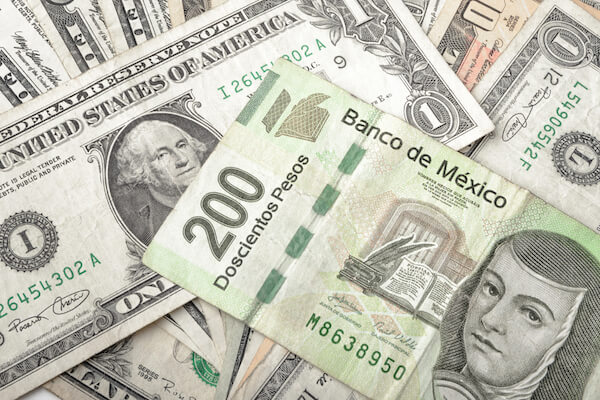
El peso se negociaba en 20.5535 unidades por dólar, con un alza del 0.71%, ó 14.65 centavos,frente a los 20.7 pesos por billete verde del precio de referencia de Reuters del viernes.

El dólar estadunidense registra este lunes un precio promedio de 20.21 pesos a la venta y 19.53 pesos a la compra, en las casas de cambio del Aeropuerto Internacional “Benito Juárez” de la Ciudad de México (AICM).

La divisa extranjera se ofrece en un máximo de 20.60 pesos y se adquiere en un mínimo de 19.20 pesos en la terminal aérea de la capital del país.

En los mismos centros cambiarios, el euro se vende hasta en 22.99 pesos y se compra en una menor cotización de 21.30 pesos.

Copyright: El Economista

Oil Rises as Iraq Pledges to Cooperate With OPEC on Output Deal

Oil advanced as Iraq said it pledged to cooperate with OPEC to reach an agreement this week that’s acceptable to all members.

Futures rose as much as 2.7 percent in New York after earlier declining. Iraq’s Oil Minister Jabbar al-Luaibi said Monday he’s “optimistic” a deal will be reached at OPEC’s summit in Vienna on Wednesday.

 Saudi Arabia previously said that the producer group doesn’t necessarily need to curb oil output, after pulling out of a scheduled meeting with non-members including Russia.

“The market is going to be like a yo-yo reacting to headlines surrounding the Nov. 30 Vienna meeting,” Bart Melek, the head of global commodity strategy at TD Securities in Toronto, said by telephone. Statements out of Iraq lead to the assumption that it is likely a deal to cut output will be reached, he says.

The Organization of Petroleum Exporting Countries is heading into the last stretch of negotiations before its November 30 meeting to adopt a supply deal that was first floated in September. Oil prices whipsawed last week as various OPEC members and Russia tried to position themselves ahead of a final accord to reduce production. Ministers from Algeria and Venezuela headed to Moscow on Monday to get the biggest non-OPEC producer on board.

West Texas Intermediate for January delivery rose $1.02 to $47.08 a barrel at 10:08 a.m. on the New York Mercantile Exchange. Total volume traded Monday was 31 percent higher than the 100-day average.

Brent for January settlement advanced $1.01, or 2.1 percent, to $48.25 a barrel on the London-based ICE Futures Europe exchange. The global benchmark traded at a $1.17 premium to WTI.

Saudi Stance

While Saudi Arabia has pushed to reverse OPEC’s pump-at-will policy, Energy Minister Khalid Al-Falih said Sunday the oil market would recover in 2017 even without cuts as consumption grows in countries such as the U.S., according to Saudi newspaper Asharq al-Awsat.

Russia has so far resisted requests to join a cut, offering instead to freeze production at current levels. Energy Minister Alexander Novak has insisted that OPEC reach an internal consensus on output curbs before Russia considers joining an accord. Algerian Energy Minister Noureddine Boutarfa presented a proposal Saturday to Iranian Oil Minister Bijan Namdar Zanganeh for an OPEC cut of 1.1 million barrels a day, according to an Iranian oil ministry official.

“The past weeks’ back and forth of diplomacy reveals how small the common denominator is,” Norbert Ruecker, head of commodity research at Julius Baer Group Ltd. in Zurich, said by e-mail. “Chances for a deal are high but we remain skeptical that it has teeth and see no lasting impact on prices.”

Oil-market news:

Iran’s Persian Gulf Petrochemical Industries Co. is in talks with Asian companies to raise as much as 1 billion euros ($1.1 billion) for an expansion including a methanol project intended to serve China and other Asian customers.

Shale drillers have added 158 rigs since May, according to Baker Hughes Inc. At the same time, companies such as Chesapeake Energy Corp. and EOG Resources Inc. have boosted efficiency by cramming more sand into wells, aiming to extend their reach miles further.

Copyright: Bloomberg

Transparencia reta a petroleras en Ronda Uno

El 5 de diciembre se realizará la licitación 1.4 que comprende 10 campos en aguas profundas y en la que los trámites de transparencia han sido el principal reto para las petroleras extranjeras, según Raúl Camba, socio director de Accenture Estrategia, quien explicó que sus clientes advierten una sobrerreglamentación en el proceso.

“Nosotros les decimos que esto tiene sus razones y para entenderlas tienen que conocer la historia del país. Por eso es importante que cuenten con socios estratégicos locales”, destacó.

 Para la cuarta licitación, llamada la Joya de la Corona, hay 16 compañías precalificadas como operadores y 10 como no operadores, entre los que destacan Chevron, ExxonMobile, Shell, Petrobras y Pemex.

Del total de las compañías seleccionadas como posibles operadores de estos campos, 15 son públicas y disponen de un efectivo conjunto de 144 mil 278 millones de dólares para nuevos proyectos, según datos al segundo trimestre de este año.

Se trata de un capital 2.3 veces mayor a lo que estima obtener la Secretaría de Energía en la licitación. 

“Hay dos partes que dependen del éxito, uno es puramente económico, que es el ofrecer los campos con mayor potencial de un retorno de inversión. El segundo es más complejo, que básicamente son las condiciones fiscales del contrato”, expresó Raúl Camba. 

Por seprado, Ernesto Marcos Giacomán, socio fundador de Marcos y Asociados, Infraestructura y Energía, explicó que las compañías no necesariamente deben tener experiencia en el Golfo de México, pero sí deben demostrar que tienen producción e inversiones significativas en aguas profundas.

Copyright: El Financiero

More Company Climate Votes Ahead, As Trump May Loosen Energy Rules

Activist shareholders plan a record number of resolutions focused on climate change at U.S. company annual meetings in 2017, even as President-elect Donald Trump looks set to loosen environmental regulations.

Based on filings so far, U.S. companies are on track to face roughly 200 resolutions on climate matters at their shareholder meetings next year, according to Rob Berridge, who follows the subject for Ceres, a sustainability advocacy group.

There were 174 such resolutions this year, Berridge said, compared with 167 in 2015 and 148 in 2014. Many have been directed at big oil and gas companies, though other sectors have also been targeted, including technology and retail.

Activist shareholders broadly aim to curb companies’ carbon emissions and make energy usage more efficient, or at the very least, to draw the attention of companies and investors to climate change as an urgent problem.

They have had some limited success. Investors at Exxon Mobil Corp the world’s largest publicly traded oil producer, passed a measure this year that could lead to an environmental activist joining its board. «Our position is that the risk of climate change is clear and warrants action,» said Exxon spokesman Alan Jeffers.

The rising number of shareholder votes reflects a growing concern among big investors about the environment, encouraged by steps by some boards to embrace reforms.

Deadlines are fast approaching to get resolutions on the ballot for shareholder meetings to be held in the spring.

The election victory of Trump, who is set to take over as U.S. president on Jan. 20, only seems to have added impetus.

On the campaign trail, Trump dismissed human-caused climate change as a «hoax» and pledged to dismantle the Environmental Protection Agency. He also threatened to withdraw the United States from the landmark 2015 Paris Agreement to combat climate change, although he appeared to step back from that position on Tuesday.

He vowed instead to revive the U.S. coal industry, encourage oil drilling and to scale back regulation of the energy sector.

«Despite what the administration may or may not do, I really believe that corporations understand the risks posed by climate change,» said Danielle Fugere, president of As You Sow, a California nonprofit campaign group. It sponsored 18 climate-related shareholder resolutions in 2016 and expects to file a bigger number next year.

One resolution for 2017 calls on Anadarko Petroleum Corp to report on how it would address the risk of so-called stranded assets, such as high-cost deepwater project investments, that might be caused by a drop in demand for oil and gas. The idea won support from 42 percent of shares voted at the company’s 2016 meeting, up from 29 percent in 2015.

Anadarko’s board last year called the idea «unnecessary and unproductive.» Spokesman John Christiansen said it is reviewing the proposal.

To be sure, among S&P 500 companies, investor support for climate resolutions has been relatively weak, holding steady around 22 percent since 2014, according to research firm Fund Votes.

But activists often won more backing for ideas such as urging companies to report on their strategy for dealing with climate change, according to the Sustainable Investments Institute, a research firm specializing in shareholder votes, supported by universities, pension funds and other institutional investors.

Anne Simpson, director of sustainability for the California Public Employees’ Retirement System (Calpers), which manages about $300 billion, said it plans to file or back resolutions at U.S. oil and gas companies for 2017, though she declined to discuss specifics.

Last year the boards of mining companies including Rio Tinto Plc and Glencore Plc endorsed resolutions Calpers submitted calling for reports on climate risk, and the measures passed by wide margins.

More companies will likely embrace shareholder proposals to head off disruption caused by climate change, Simpson said.

«Economics is driving this, not politics,» she said.

Copyright: Rigzone

Nuevos desarrollos en aguas Ultraprofundas

En 2001 se consideraba un reto llegar a 1300 metros de profundidad en la perforación de aguas para la extracción del crudo. El día de hoy existen campos que trabajan con el doble de esta profundidad, generando acceso a aguas ultra-profundas, lo que requiere de una constante evolución de la tecnología, así como métodos radicalmente nuevos para la prospección en las regiones de aguas profundas más allá de la plataforma continental.


Respondiendo a estos retos, el proyecto FPSO Girassol ha estado implementando nuevas ideas en el campo Rosa en Luanda,  cuyo sistema consiste en dos estaciones de bombeo, cada estación cuenta con un par de bombas multifase submarinas. La primera estación comenzó a trabajar en septiembre de 2015 y la segunda en Abril de 2016 y hasta el momento han estado trabajando de manera óptima.


Algunos retos que se han enfrentado y han logrado solucionar ante esta implementación multibombas, ha sido el suministro eléctrico que se requiere para su funcionamiento, esto con la ayuda del FPSO Dalia.


Las bombas multifase, se usan desde los años 70´s. En 1984 se hizo el proyecto Poseidón con el objetivo de mejorar esta tecnología para aplicarla a proyectos de aguas profundas, el resultado fue un prototipo de bomba multifasehelicoaxial que impulsa la mezcla de gas, agua y aceite, sin separar el gas de los líquidos.


El objetivo de este sistema multibombas, es disminuir el costo por barril. En México se espera que los proyectos de aguas profundas tengan un poco más de madurez para implementar este sistema.


En NRGI Broker somos expertos en Seguros de Control de Pozos para el Sector Hidrocarburos.
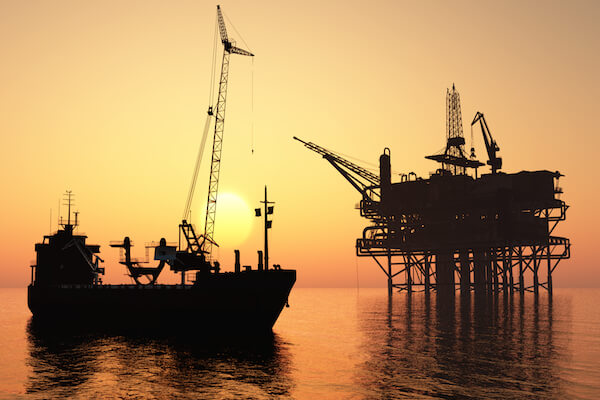
 

Petróleo aporta 18% a los ingresos totales

Para el cierre del tercer trimestre del año los ingresos petroleros registraron un total de 617,410.7 millones de pesos, un crecimiento real de 0.9%, respecto a lo registrado en el mismo periodo del 2015. 

Este monto representó 18% de los ingresos presupuestarios totales del sector público, la participación más baja desde 1994, considerando sólo los primeros nueve meses de cada año, de acuerdo con datos de la Secretaría de Hacienda y Crédito Público (SHCP). 

En el tercer trimestre del 2008, en plena crisis financiera, los ingresos petroleros aportaban 45% de los ingresos totales, a partir de finales del 2014, empezaron a reducir su aportación.

 Lo anterior se debió a que los precios del petróleo a nivel internacional comenzaron a reducirse de manera significativa, al igual que la producción de Petróleos Mexicanos (Pemex), lo cual se vio reflejado de manera directa en los ingresos que aportan a las finanzas públicas del país, coincidieron expertos.

 Héctor Villarreal, director general del Centro de Investigación Económica Presupuestaria (CIEP), comentó que si bien se han despetrolizado las finanzas públicas del país, el verdadero problema es que los ingresos que se obtienen por el cobro de impuestos no son suficientes para solventar al 100% el gasto público. 

Refirió que México sigue siendo de los países con baja recaudación tributaria como porcentaje del Producto Interno Bruto (PIB); el promedio de la recaudación tributaria de los países que conforman la Organización para la Cooperación y el Desarrollo Económicos (OCDE) fue de 34.4% del PIB en el 2014 (últimos datos), en México se ubicó por debajo de 20 por ciento. Para el cierre del 2017 se espera que representen 15% del PIB.

 “Aunque los ingresos tributarios sigan creciendo, será a un nivel muy bajo porque el efecto de las reformas se va a agotar. Estos ingresos sólo van a crecer si la economía avanza, pero seguimos viendo aumentos pequeños. Además, el gasto cada vez es mayor y vive una gran presión por el de pensiones, participaciones y costo financiero de la deuda”. 

Agregó que difícilmente los ingresos petroleros puedan recuperarse en el corto o mediano plazos, una vez que las rondas 1,2 y 3 comiencen a dar resultados. 

“En el corto plazo, la posibilidad de que aumenten los ingreso petroleros es muy baja, porque el costo es alto y es difícil que la producción aumente; además de que el precio ha estado topado (…) el efecto Trump es indirecto, afecta más la baja producción y el precio”. 

En el 2012 el precio anual promedio de la mezcla mexicana se ubicaba en 101.96 dólares el barril, para el cierre del 2015, se ubicó en 43.28 dólares el barril de petróleo, esto es una caída de 58%, según datos del Servicio Geológico Mexicano. 

El viernes pasado el precio de la mezcla mexicana se ubicó en 37.40 dólares el barril. 

Aportan menos al gasto 

Al cierre del tercer trimestre del año, cuando el gasto fue por 3.7 billones de pesos, los ingresos petroleros apenas aportaron 16% con un total de 617,410.7 millones de pesos. 

Esta aportación ha sido la más baja desde 1990, año desde donde se tiene registro, y considerando sólo los primeros nueve meses de cada año. En el 2008, los ingresos petroleros aportaron hasta 48% del gasto neto del sector público. 

“Si bien es bueno que las finanzas públicas del país estén teniendo menor dependencia de los ingresos petroleros, el principal factor debería ser por el crecimiento de otros ingresos como los tributarios y no por la presión que está ejerciendo la caída en el precio del petróleo”, dijo Luis Miguel Labardini, socio de Marcos y Asociados. 

De acuerdo con la Ley de Ingresos de la Federación 2017, los ingresos petroleros serán por 739,369 millones de pesos, de los cuales, 400,415 millones de pesos provendrán de Pemex y los 338,954 millones, de la Comisión Federal de Electricidad. 

Es decir, de los 4.8 billones de pesos que pretende gastar el sector público, las empresas productivas del Estado aportarán 15 por ciento. Por el cobro de impuestos se espera recaudar un total de 2.7 billones de pesos.

Copyright: El Economista 

Oil Bets Are Biggest in 9 Years Amid OPEC, Trump Volatility

Money managers, producers and consumers made the biggest bets on West Texas Intermediate crude prices in nine years, amid signals more volatility is coming.

Global markets were roiled after Donald Trump’s election as U.S. president and as OPEC continued negotiations on a deal to cap output. The U.S. dollar climbed to the highest since January. A measure of oil volatility surged last week to a seven-month high, a sign that traders were anticipating bigger price swings.

Wagers on higher and lower prices held by speculators and hedgers reached 1.47 million contracts in the week ended Nov. 15, the most since 2007, U.S. Commodity Futures Trading Commission data show. Trading volume of calls giving investors the right to purchase WTI futures rose to a record that day. The CBOE Crude Oil Volatility Index reached the highest since April. Brent oil shorts, bets that prices will fall, rose to the highest in more than two years.

“There’s tension in the market, with both producers and consumers worried about what OPEC does or won’t do on Nov. 30,” said Tim Evans, an energy analyst at Citi Futures Perspective in New York. “They want to be protected from surprising price moves.” 

OPEC Meeting

Investors are weighing the chances that the Organization of Petroleum Exporting Countries will complete a deal to cap output at its Nov. 30 meeting in Vienna. While Saudi Arabian Energy Minister Khalid Al-Falih told Al Arabiya television he’s optimistic a deal will be reached, only seven of 20 analysts surveyed by Bloomberg last week expect the group to set output targets for its members.

OPEC agreed in September to cut their collective output to 32.5 million to 33 million barrels a day and has been trying to persuade other suppliers, notably Russia, to join the cuts. OPEC Secretary General Mohammed Barkindo said he’s confident the group can reduce record oil inventories and bring forward the rebalancing of the market.

“The Saudis are working hard to reach a deal,” said John Kilduff, a partner at Again Capital LLC, a New York-based hedge fund that focuses on energy. “You don’t fight the Fed in the bond market and when it comes to oil you don’t fight the Saudis.”

The September agreement marked the end of OPEC’s two-year long experiment with pumping at will. Saudi Arabia led the group in the effort to grab market share and curb the development of more expensive reserves such as U.S. shale.

U.S. Production

While U.S. production has dropped from last year’s 44-year high, the decline is slowing. The Energy Information Administration this month raised its output forecast for 2017. Rigs targeting oil in the U.S. rose the most in 16 months last week, according to Baker Hughes Inc.

Producers and merchants increased short positions, or protection against lower WTI prices, to the highest level since March 2011. They added 66,613 bearish contracts over the past two weeks as prices retreated from last month’s peak at above $50 a barrel.

“The Saudis want higher prices but won’t sacrifice just to see a major competitor, U.S. shale, benefit,” said Sarah Emerson, managing director of ESAI Energy Inc., a consulting company in Wakefield, Massachusetts. “The Trump election changes things. In one day the U.S. shale business got better. The government will be more responsive to the industry.”

Money managers’ net-long position in WTI advanced for the first time since mid-October, climbing by 3,906 futures and options to 163,321. Shorts climbed 14 percent while longs rose 8.1 percent. WTI gained 1.8 percent to $45.81 a barrel in the report week. It rose 2.7 percent to $46.93 as of 8:48 a.m. on Monday.

Brent Bets

In the Brent market, money managers increased short positions by 11 percent to 157,016 during the week, the highest level since September 2014, according to data from ICE Futures Europe. The net-long position in the global benchmark slipped by 4.6 percent during the week to the lowest since January.

In fuel markets, net-bullish bets on gasoline decreased 35 percent to 25,796 contracts, as futures slipped 2.5 percent in the report week. Money managers were net-short 393 contracts of ultra low sulfur diesel, from net-long 7,791 the previous week. Futures advanced 0.2 percent.

“I suspect that when the OPEC meeting is over there will have been a lot more smoke than fire,” said Michael Lynch, president of Strategic Energy & Economic Research in Winchester, Massachusetts. “If they don’t come up with a convincing agreement, they’ll be forced to revisit the issue before long.”


Copyright: Bloomberg

Multan a Pemex con 2.1 mdp por no aprovechar gas

Durante la 64 sesión extraordinaria del Órgano de Gobierno de la Comisión Nacional de Hidrocarburos (CNH) se sancionó a Pemex Exploración y Producción con 2.1 millones de pesos por no cumplir con las metas de aprovechamiento de gas en Ku-Maloob-Zaap.

La comisión detectó que durante 2014 y 2015 la quema y venteo de gas en el activo incumplió las metas de aprovechamiento, las cuales eran de 39.6 millones de pies cúbicos en 2014 y se quemaron 133.5, mientras que en 2015 el limite máximo era de 105 y se quemaron 137.8 millones de pies cúbicos de gas.

Juan Carlos Zepeda Molina, comisionado presidente de la CNH, detalló que los 550 millones de pies cúbicos que Pemex quema cada día equivalen a 32% del gas natural que México importa.

Pemex justificó el incumplimiento a la reducción presupuestal de 100,000 millones de pesos “El cumplimiento a la meta establecida de 98% en el aprovechamiento de gas en aguas someras fue pospuesta, alcanzándose un índice de 96”, dijo la empresa  el pasado 11 de noviembre.

Además de la sanción económica impuesta  a la empresa se le obligó a  implementar inversiones por 2 mil 446 millones de dólares en distintas actividades por los próximos tres años, así como presentar un plan para subsanar la situación.

shutterstock_325897400

Copyright: Oil and Gas Magazine

Mammoth Texas oil discovery biggest ever in USA

Geologists say a new survey shows an oilfield in west Texas dwarfs others found so far in the United States, according to the US Geological Survey.

The Midland Basin of the Wolfcamp Shale area in the Permian Basin is now estimated to have 20 billion barrels of oil and 1.6 billion barrels of natural gas, according to a new assessment by the USGS.

That makes it three times larger than the assessment of the oil in the mammoth Bakken formation in North Dakota.

The estimate would make the oilfield, which encompasses the cities of Lubbock and Midland — 118 miles apart — the largest «continuous oil» discovery in the United States, according to the USGS.

«This oil has been known there for a long time — our task is to estimate what we think the volume of recoverable oil is,» assessment team member Chris Schenk told CNN – affiliate KWES Wednesday.

The term «continuous oil» refers to unconventional formations like shale, in which the oil exists throughout the formation and not in discrete pools. The USGS estimates how much oil is considered to be undiscovered but technically recoverable.

«Even in areas that have produced billions of barrels of oil, there is still the potential to find billions more,» Walter Guidroz, coordinator for the USGS Energy Resources Program said in a statement. «Changes in technology and industry practices can have significant effects on what resources are technically recoverable, and that’s why we continue to perform resource assessments throughout the United States and the world.»

Oil has been produced in the Wolfcamp area since the 1980s by traditional vertical wells — but now companies are using horizontal drilling and hydraulic fracturing to tap the continuous oil reserve. More than 3,000 horizontal wells are currently operating, according to the USGS.

Morris Burns, a former president of the Permian Basin Petroleum Association, told KWES the low price of oil — currently around $46 a barrel — means the oil will sit underground for the foreseeable future.

«We are picking up a few rigs every now and then but we won’t see it really take off until we (get) that price in the $60 to $65 range,» Burns told the station.

«When we talk about that many millions of barrels of oil in the ground, that doesn’t mean we can recover it all. We recover in the neighborhood of 50 to 60 percent,» Burns said.

Last spring, CNN reported that «fracking» now accounted for more than half of all U.S. oil output. Back in 2000, there were just 23,000 fracking wells pumping about 102,000 barrels of oil a day. Last March there were 300,000 fracking wells, churning out 4.3 million barrels per day.

The fracking production, led by Permian Basin, Bakken formation and Eagle Ford, also in Texas, caused oil prices to tumble — making the $100 barrel ancient history — to as low as $25 a barrel early this year.


Copyright: CNN